
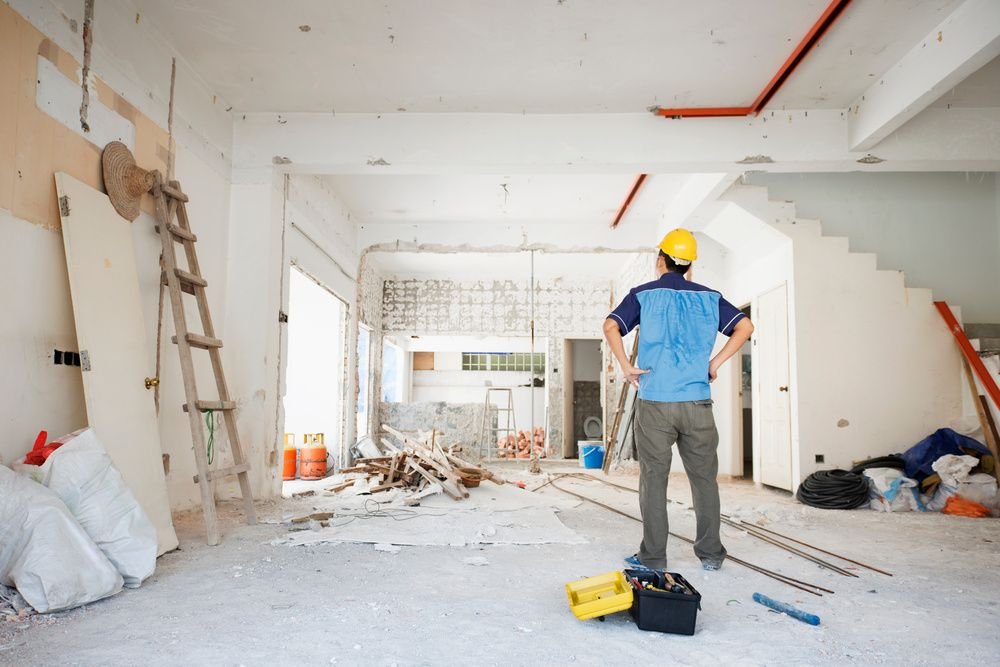
So you’ve decided to renovate. Maybe it’s the kitchen, maybe the whole flat. Either way, you’re probably picturing the finished result — not the six months of dust, arguments with contractors, and unexpected bills in between. That’s normal. But here’s the thing: most of the financial pain in a renovation doesn’t come from bad luck. It comes from a handful of predictable home improvement mistakes to avoid that almost every first-time renovator makes. I’ve watched friends, clients, and honestly my own family fall into a few of these traps, and the pattern repeats itself so often it’s almost boring. Let’s go through them one by one, so you don’t have to learn the expensive way.
1. Skipping the Detailed Budget (and the Buffer)
Here’s a quick answer for the skimmers: the single biggest home improvement mistake to avoid is starting work without a written, itemized budget plus a 15-20% contingency fund. Renovations almost always cost more than the first quote suggests.
Most people budget for the big stuff — tiles, cement, labour — and completely forget the small things that add up fast. Electrical fittings, plumbing fixtures, transport charges, disposal of debris, that one extra coat of paint because the first one looked patchy. I’ve seen a 2BHK kitchen renovation in Jaipur balloon from ₹3.5 lakh to ₹4.8 lakh purely because nobody accounted for a buffer.
A few things that quietly drain money:
- Contractors quoting labour separately from material without flagging it upfront
- “Minor” civil work that turns out to require breaking a wall
- GST and transport charges added at the very end of the bill
Set aside a real contingency, not a token 5%. Renovation veterans will tell you 20% is closer to reality, especially if your building is more than 15 years old and you don’t know what’s behind those walls yet.
2. Hiring Based on Price Alone
Everyone wants a good deal. Nothing wrong with that. But choosing the cheapest contractor without checking their past work is one of those home improvement mistakes to avoid at all costs, because cheap labour often means cut corners you won’t notice until the monsoon hits.
I once visited a house where the owner saved maybe ₹40,000 by going with the lowest bidder for waterproofing. Eighteen months later, seepage damage cost them nearly ₹1.5 lakh to fix — and that’s not counting the mold remediation. The math just doesn’t work out.
Before signing anyone on:
- Ask for at least 3 references and actually call them, don’t just skim a WhatsApp forward
- Visit a site they’ve completed, not just photos
- Get a written contract with payment milestones tied to work stages, not just dates
Has this happened to you — a contractor who seemed great on WhatsApp but vanished halfway through? It’s more common than people admit.
3. Ignoring Structural and Plumbing Issues to “Save Time”
This one’s sneaky because it feels responsible in the moment. You’re mid-renovation, you notice a hairline crack or a slow drain, and you think — I’ll deal with that later, let’s not delay the painters.
Don’t do this. Cosmetic work over unresolved structural or plumbing problems is one of the most expensive home improvement mistakes to avoid, because you end up paying for the same wall twice — once now, once when it’s torn open again in two years.
A structural engineer’s inspection typically costs ₹5,000–₹15,000 depending on your city. That’s nothing compared to redoing an entire room because water damage spread behind fresh paint.
4. Underestimating Electrical Work
Old wiring is one of those things nobody wants to think about until something trips or, worse, sparks. If your flat is older than 20 years, aluminium wiring or undersized circuits are common, and modern appliances — ACs, geysers, induction cooktops — put a real strain on them.
Direct answer: Rewiring an average Indian home costs roughly ₹40,000–₹90,000 depending on size, but skipping it risks fire hazards and appliance damage that can cost far more, plus it voids most insurance claims tied to electrical faults.
I’m a bit opinionated on this one — I think electrical work is the single most under-budgeted line item in Indian renovations. People happily spend ₹2 lakh on modular kitchen shutters and baulk at ₹60,000 for safe wiring. That priority order feels backwards to me.
5. Choosing Materials Purely on Looks
Marble floors look stunning in showroom lighting. Then you get them home, and within a year there’s staining, etching from acidic spills, and a maintenance routine you didn’t sign up for.
Picture a young couple in Jaipur who chose Italian marble for their entire living room because it looked premium in the catalogue. Gorgeous, no doubt. But two monsoons later, they’re paying for professional polishing every six months just to keep it looking decent — an ongoing cost nobody mentioned at purchase time.
Some material trade-offs worth thinking through:
- Vitrified tiles vs marble — tiles cost less and need almost zero maintenance
- Laminate vs solid wood for cabinets — laminate resists humidity better in most Indian climates
- Emulsion vs distemper paint — emulsion costs more upfront but lasts years longer
Function first, aesthetics second. Or at least, weigh them equally.
6. Not Getting Multiple, Comparable Quotes
Getting one quote and going with it is a rookie move, but so is getting five quotes that aren’t actually comparable — different specifications, different material grades, different scopes of work. You end up comparing apples to mangoes.
Direct answer: Always request at least 3 quotes using the exact same specification sheet — same brand tier, same quantity, same scope — so the comparison is genuine and you’re not accidentally choosing based on someone quoting cheaper materials.
This takes an extra week or two upfront. Worth it every single time.
7. DIY-ing Work That Needs a Licensed Professional
YouTube makes everything look easy. Tiling, electrical, even minor plumbing — there’s a tutorial for all of it. And sure, some things are genuinely DIY-friendly, like painting an accent wall or assembling flat-pack furniture.
But gas line work, major electrical rewiring, and structural changes? Leave those alone. I’ve noticed that the people who try to save money DIY-ing electrical work often end up paying a licensed electrician anyway — to fix what they did, which usually costs more than if they’d hired properly the first time.
8. Forgetting Permits and Approvals
Boring topic, I know. But skipping building permits for structural changes — knocking down a wall, adding a floor, altering the building’s exterior — can lead to demolition orders or hefty fines from your local municipal corporation. It happens more often than you’d think, especially in older housing societies where “everyone just does it” is treated as a legal defense (it isn’t).
Check with your RWA or municipal office before any structural change. It’s a small hassle now versus a legal headache later.
9. Changing Your Mind Mid-Project
Every change order after work has started costs more than the same change made during planning. Contractors know this, and honestly, they price accordingly — remobilizing labour, reordering material, redoing finished work isn’t cheap.
Try to finalize your layout, colour scheme, and fixtures before the first hammer swings. It’s not always possible — sometimes you genuinely don’t know until you see it in person — but the more you lock in early, the fewer surprise costs later.
[link to related guide about creating a renovation budget template here]
How Much Do These Mistakes Actually Cost You?
Numbers vary by city and project size, but based on renovation cost overruns I’ve seen discussed among contractors and homeowners in 2026, poor planning alone typically adds 20-35% to a project’s final cost. On a ₹5 lakh renovation, that’s ₹1-1.75 lakh in avoidable overspend — often more than the cost of hiring a proper project consultant in the first place.
[link to related guide about hiring a renovation contractor here]
A Simple Pre-Renovation Checklist
Before you sign any contract, run through this:
- Written, itemized budget with a 20% buffer
- At least 3 comparable quotes from vetted contractors
- Structural and plumbing inspection completed
- Electrical load assessment done
- Permits checked with your municipal authority
- Material choices finalized (not “we’ll decide later”)
- Payment milestones tied to work stages, not calendar dates
[link to related guide about modular kitchen cost breakdown here]
FAQ: Home Improvement Mistakes People Ask About
What’s the most expensive home improvement mistake homeowners make? Honestly, it’s skipping a proper structural and plumbing inspection before starting cosmetic work. Fixing hidden issues after tiles or paint are done means redoing finished work, which almost always costs double.
How much contingency budget should I keep for a renovation? Aim for 15-20% above your estimated budget. Older buildings or homes with unknown wiring/plumbing history should lean toward the higher end.
Is it cheaper to renovate room by room or all at once? Room by room spreads out cost but usually costs more overall due to repeated mobilization charges. All at once is more efficient if you can manage the disruption and have the budget ready upfront.
Do I really need permits for interior renovation work? For purely cosmetic changes — paint, flooring, cabinets — usually not. For structural changes like removing walls or altering the building exterior, yes, check with your local municipal body first.
Should I pay contractors the full amount upfront? No. Structure payments around completed work stages — say 20% advance, then milestone payments as work is verified. Full upfront payment removes your leverage if things go wrong.
How do I know if a contractor’s quote is realistic? Compare it against at least two other quotes using identical specifications. If one quote is dramatically lower, ask exactly what’s being cut — usually it’s material quality or labour experience.
Final Thoughts
Renovations rarely go exactly to plan — that’s just the reality of construction work, especially in older Indian homes with their own quirks. But most of the expensive surprises aren’t really surprises at all. They’re the direct result of skipping an inspection, choosing the cheapest bid, or deciding to “figure it out later.” Avoid these home improvement mistakes to avoid, and you protect both your budget and your sanity.
If you’re planning a renovation this year, start with the boring stuff first — the budget sheet, the inspection, the permits. The exciting parts, the tiles and the paint colours, can wait a couple of weeks. Your wallet will thank you later.
Suggested Image Alt Text:
- “Contractor and homeowner reviewing renovation budget checklist to avoid home improvement mistakes”
- “Cracked wall showing structural damage missed during home renovation planning”
- “Electrician inspecting old wiring before Indian home renovation project”
