Water is part of almost everything we do at home. We drink it, cook with it, wash clothes in it, and rely on it to keep bathrooms and kitchens clean. Yet most people rarely think about their water until something changes. Maybe the coffee tastes different, white marks keep appearing on the taps, or the washing machine seems to need more attention than it used to.
These little frustrations can have several causes, and they don’t all require the same fix. Sometimes the issue is hard water. In other cases, sediment, plumbing conditions, or a particular contaminant may be responsible. The challenge is figuring out what’s happening before spending money on equipment that might not solve the problem.
Improving household water quality starts with understanding your water supply, identifying your priorities, and choosing a practical solution that fits your home.
Understanding the Water Coming Into Your Home
Water quality can vary considerably depending on where you live and how your property receives its supply. Municipal water is treated to meet applicable drinking-water standards, but its characteristics can still be affected by distribution pipes, household plumbing, and local water chemistry. Private wells have their own considerations because groundwater conditions differ from one property to another.
Taste and appearance can offer clues, but they aren’t reliable ways to determine whether water is safe. Clear water can contain contaminants that aren’t visible, while harmless minerals may sometimes cause discoloration or deposits.
If you’re noticing persistent changes, professional water testing & analysis can help identify the cause. Depending on the water source and suspected problem, testing may examine hardness, pH, iron, manganese, bacteria, nitrates, or other substances relevant to your location.
Testing is especially important for private well owners, who should follow local health department guidance for routine checks. Additional testing may be appropriate after flooding, repairs, or a sudden change in taste, odor, or appearance.
The results provide a useful foundation for making decisions. Instead of guessing which filter might work, you’ll have better information about what needs to be addressed and which treatment methods are suitable.
Why Water Treatment Matters Beyond Taste
Good water quality isn’t simply about making drinking water taste pleasant. The right treatment can also help reduce certain contaminants, control mineral buildup, and improve the performance of household equipment.
Consider a home in an area with hard water. Over time, mineral deposits may accumulate around faucets, showerheads, and kettle interiors. Soap may lather poorly, and glassware can develop cloudy spots after washing. These issues are often frustrating rather than dangerous, but they can increase cleaning effort and contribute to maintenance problems.
Other households may deal with sediment, unpleasant odors, or specific substances identified through laboratory testing. Each situation requires a different approach.
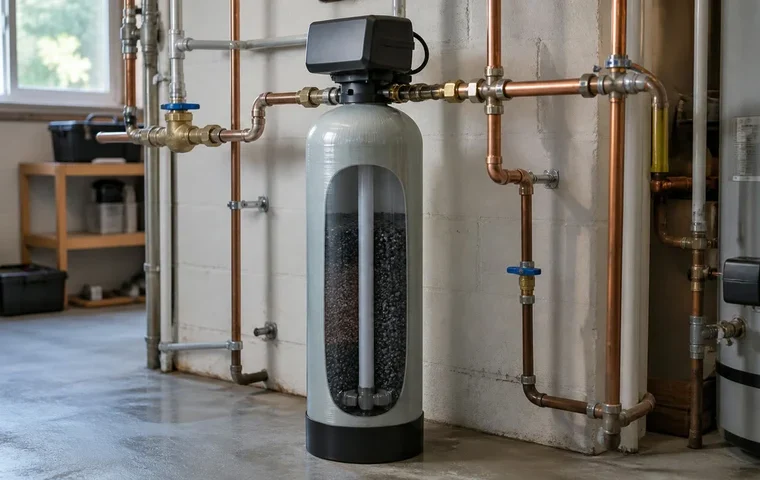
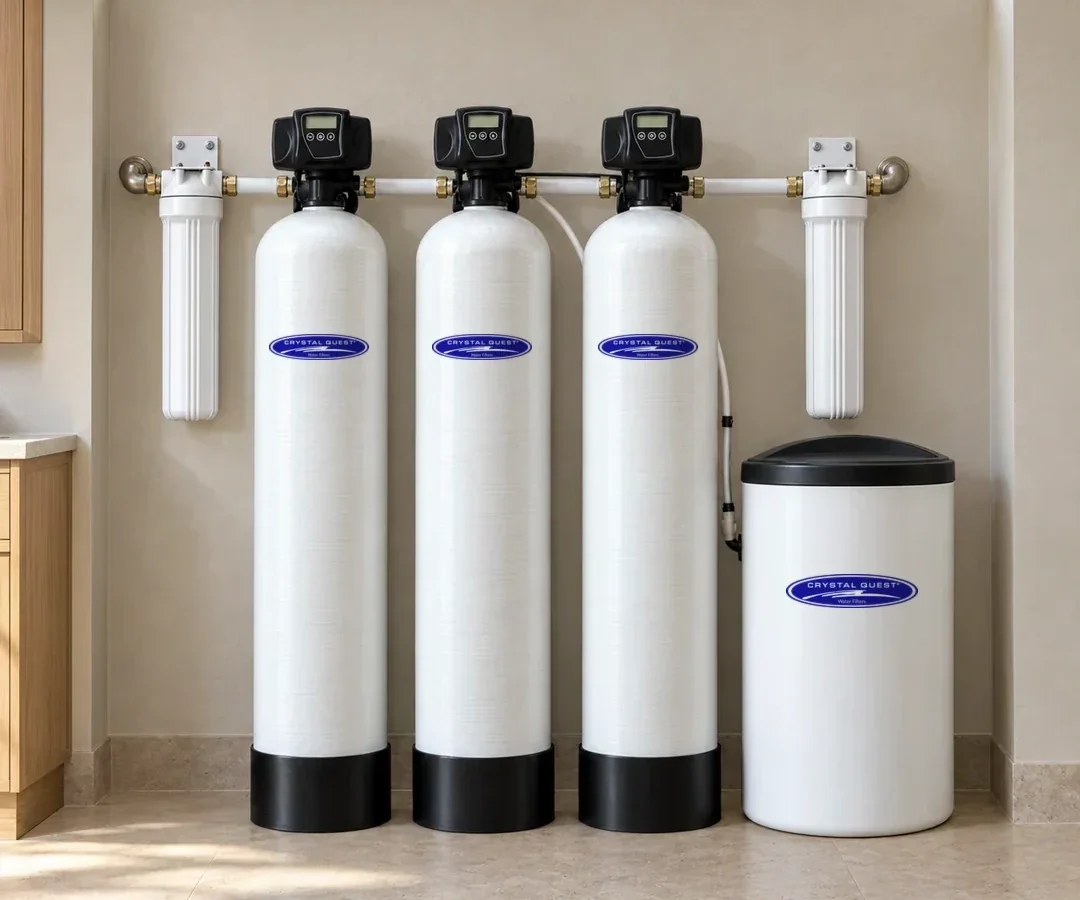
Modern water treatment systems include a wide range of technologies, from simple sediment filters to activated carbon units, reverse osmosis equipment, water softeners, and ultraviolet disinfection systems. Some treat water at a single drinking-water faucet, while others serve multiple fixtures throughout the property.
The important thing is to match the technology to the problem. A sediment filter captures particles but won’t necessarily remove dissolved chemicals. Activated carbon can improve certain tastes and odors, but it isn’t designed to address every contaminant. Ultraviolet treatment can inactivate susceptible microorganisms when properly installed and maintained, yet it doesn’t remove dissolved minerals.
Knowing these distinctions helps homeowners avoid buying equipment based on vague promises.
Choosing the Right System for Your Needs
Before comparing products, think about how you use water and what you’d like to improve. Is the main concern drinking-water quality, scale buildup, unpleasant taste, or a combination of issues?
A household that wants better-tasting drinking water may benefit from an appropriately certified carbon filter or reverse osmosis system. A home with substantial hardness may need a softener. If testing reveals a specific contaminant, the selected equipment should have verified performance for that substance.
It’s also worth considering the size of the household. A system designed for light daily use may not provide enough capacity for a large family, particularly when several bathrooms or water-consuming appliances operate at the same time.
Installation requirements matter, too. Some systems need a dedicated drain, electrical connection, storage tank, or sufficient space near the plumbing. Others require periodic regeneration or more frequent cartridge changes.
Don’t focus exclusively on the purchase price. Replacement filters, salt, electricity, water use, and professional servicing can affect the total cost over several years. Ask suppliers to explain these ongoing expenses before making a decision.
A good recommendation should be based on your water conditions and household requirements, not simply on which product has the most features.
The Benefits of Water Softeners and Refiners
Hard water is a common concern in many regions, particularly where groundwater passes through mineral-rich rock. Calcium and magnesium dissolve into the water, creating the hardness that contributes to scale and cleaning difficulties.
Traditional water softeners & refiners can help address these issues, although the terms may describe different types of equipment. A salt-based water softener typically uses ion exchange to replace calcium and magnesium ions with sodium or potassium ions. This reduces hardness and helps limit scale formation.
For many households, the difference is noticeable. Soap may work more effectively, bathroom fixtures can be easier to clean, and mineral deposits may become less troublesome. Depending on the circumstances, reducing scale can also help protect water heaters and other equipment from excessive mineral accumulation.
However, a softener isn’t a universal water purifier. It doesn’t automatically remove bacteria, nitrates, or every dissolved contaminant. Those concerns require appropriate testing and, when necessary, additional treatment.
Salt-based softeners also require maintenance. Owners need to monitor the salt supply, follow the manufacturer’s instructions, and ensure the system is configured for the incoming water hardness and household demand.
People concerned about sodium intake should discuss suitable drinking-water arrangements with a qualified professional or healthcare provider. Depending on their needs, a separate drinking-water treatment system may be appropriate.
Don’t Forget Installation and Maintenance
Even the best equipment needs proper installation and regular care. Filters have limited capacities, membranes eventually need replacement, and certain treatment media require servicing or regeneration. Neglecting these tasks can reduce performance and sometimes create additional problems.
A straightforward maintenance calendar can make a difference. Record installation dates, filter changes, service visits, and any water test results. If the system includes warning lights or monitoring features, learn what they mean and how to respond.
Pay attention to unusual changes as well. A sudden drop in pressure might indicate a clogged filter, but it could also result from a plumbing problem. An unexpected odor might originate in the water supply rather than the treatment equipment.
When something changes, investigate before replacing parts unnecessarily. If contamination is suspected, arrange suitable testing and follow public-health advice. Boiling water, for example, can help address certain microbial hazards when authorities recommend it, but it won’t remove many chemical contaminants.
Routine care is usually less expensive and less stressful than waiting for equipment to fail completely.
Making a Better Long-Term Water Quality Decision
Improving water at home doesn’t have to mean installing the most advanced system available. In many cases, a targeted solution is more practical, affordable, and easier to maintain.
Start by identifying the problem, testing when appropriate, and comparing equipment designed for your particular needs. Ask about independent certification, expected performance, installation requirements, maintenance schedules, and replacement costs. A trustworthy provider should explain both the benefits and limitations of the recommended system.
It’s also sensible to review your needs over time. Household size can change, plumbing may be upgraded, and water conditions can shift. Periodic reassessment helps ensure that the equipment remains suitable.
Ultimately, better water quality comes from informed choices rather than guesswork. When you understand your water, select appropriate treatment, and keep the equipment maintained, everyday tasks can become easier and household water concerns less frustrating.
The goal isn’t perfection or unnecessary complexity. It’s dependable water that suits your home, supports your daily routines, and gives you confidence in the decisions you’ve made.