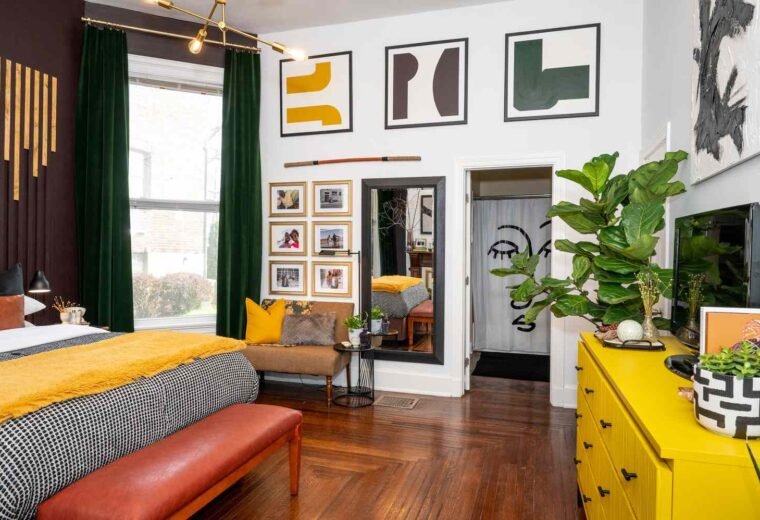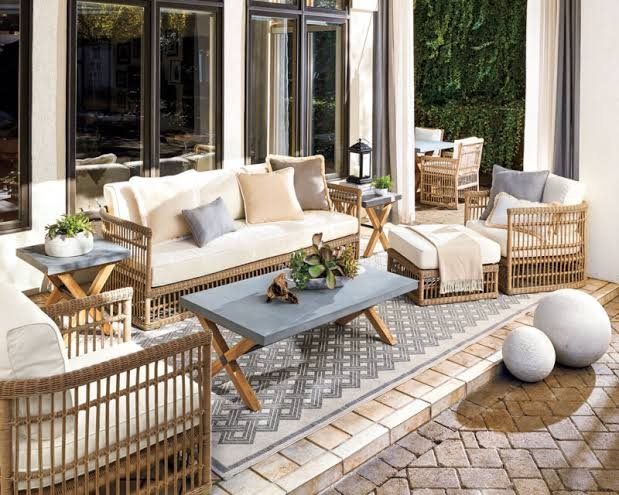
Ever walked into a house where every single piece of furniture matched — same wood tone, same era, same everything — and felt… nothing? That’s the trap a lot of people fall into. They buy a “living room set” because it’s easy, and the room ends up looking like a showroom, not a home.
Learning to mix and match furniture styles is really about confidence more than talent. You don’t need a design degree. You need a few rules, a decent eye, and the willingness to try things that don’t obviously “go together” on paper. That’s what this guide is for — real, usable advice, not vague inspiration.
By the end of 2026, more Indian homeowners are moving away from matchy-matchy showroom sets and toward rooms that actually feel collected over time. Let’s get into how you do that without it looking like an accident.
What Does It Actually Mean to Mix and Match Furniture Styles?
Mixing and matching furniture styles means combining pieces from different design eras, materials, or aesthetics — say, a mid-century wooden chair next to a modern glass coffee table — so the room feels layered instead of uniform. It’s the opposite of buying everything from one collection.
Most people assume this is risky. It isn’t, really — not if you understand why certain combinations work. A room with only one style tends to feel flat, almost staged. A room with a mix, done with intention, feels like someone actually lives there and made choices over the years.
I’ve noticed that the best-looking homes I’ve been into were never fully “designed” in one shot. A grandmother’s teak almirah next to a sleek IKEA shelf. A rattan chair from Jaipur’s Bapu Bazaar sitting beside a minimalist steel-frame sofa. It shouldn’t work on paper. It works in the room.
The trick isn’t avoiding contrast — it’s controlling it. Too much contrast with no thread connecting the pieces, and the room looks chaotic. One consistent thread — color, material, or scale — and suddenly the chaos reads as personality.
Start With a Common Thread, Not a Matching Set
Here’s the thing nobody tells you when you start decorating: you don’t need matching furniture, you need a connector. Pick one element that repeats across your mismatched pieces — a color, a wood tone, a metal finish — and let everything else be different.
Say your primary keyword is variety but your connector is walnut brown. You could have:
- A mid-century walnut sideboard
- A modern black-metal dining table with walnut legs
- A traditional wooden bench, re-stained to match the walnut tone
None of these pieces are from the same “collection.” But because they share that wood tone, the eye reads them as belonging together. This is honestly the single easiest way to mix and match furniture styles without it falling apart visually.
Color works the same way. If your sofa is a rust-orange linen and your accent chair is a completely different shape and era but has a rust cushion on it, that’s your thread. Metal finishes too — brass pulls on an old chest, brass legs on a new lamp. Small repeated details do more heavy lifting than people expect.
Balance Old and New Pieces Intentionally
Don’t just throw a vintage piece into a modern room and hope for the best. Ratio matters more than most people realize.
A good starting point: roughly 70% one style, 30% the other. So if your home is mostly contemporary — clean lines, neutral palette — bring in maybe one or two older or more ornate pieces as accents. An antique mirror. A carved wooden stool. Not five of them.
Go the other direction and it gets tricky fast. Rooms with too many “statement” antique pieces and no modern breathing room start to feel cluttered, even museum-like. I’ll be honest, this is a mistake I made in my own first apartment — filled it with inherited furniture because it felt wasteful not to use it, and the place ended up looking more like storage than a home.
A small tweak fixed it: I kept the big vintage dresser, but swapped the side tables and lighting for plain, modern pieces. Suddenly the dresser had room to actually stand out instead of competing with six other “loud” items.
Use Scale and Proportion to Keep the Room From Looking Chaotic
This section deserves its own space because people underestimate it constantly. Two pieces can be from wildly different design eras and still work — if they’re similarly scaled. Put a delicate, spindly antique chair next to a massive, bulky modern sofa, and something feels off, even if you can’t name why.
Mixing and matching furniture styles successfully often comes down to keeping visual weight balanced across the room. A heavy, dark wood dining table pairs fine with lighter, modern chairs — as long as the chairs aren’t so flimsy-looking that they seem like they’d snap.
Quick proportion checks that actually help:
- If your sofa is low and wide, avoid pairing it with a very tall, narrow coffee table — the heights should feel related, not competing
- Keep at least one “anchor” piece per room that’s substantial in size; smaller mismatched accents can float around it
- Odd numbers of accent pieces (3 cushions, 3 wall frames) tend to look more intentional than even numbers
None of this is a hard rule carved in stone. But if a room feels “off” and you can’t figure out why, check scale before you check color.
Let One Room Style Lead — Not Fight for Dominance
Pick a dominant style for each room, then let the mixed pieces support it rather than compete with it. If your living room is 60% Scandinavian-minimal, don’t also try to make it 40% ornate colonial and 40% industrial — pick one supporting style, not two or three fighting for attention.
A quick 45-word answer for the impatient: choose one primary style to anchor the room (say, modern or traditional), then add 1-2 contrasting pieces from a different era or aesthetic as accents. Everything else should visually support the dominant style, not compete against it for attention.
Picture a small business owner in Jaipur turning her front room into a client-meeting space. She kept the base modern — a clean glass desk, neutral walls — but added two hand-carved Rajasthani chairs for clients to sit in. The room reads as professional and rooted in something local. That’s the lead-and-support method working exactly as it should.
Textiles and Rugs Can Tie Mismatched Pieces Together
If furniture itself feels too risky to mix, let your textiles do the connecting work instead. A rug that pulls colors from three different pieces of furniture instantly makes the room feel curated, even if the actual furniture has zero relation to each other.
This is probably the cheapest fix in this entire guide. A ₹3,000–₹8,000 rug (depending on size and material) can visually unify a room that cost you months to furnish piece by piece. Cushions do similar work at an even lower cost — ₹300-600 each in most Indian markets — and you can swap them seasonally.
A few practical textile combos that work well when mixing and matching furniture styles:
- Solid, neutral rug + patterned cushions on mismatched chairs
- Patterned rug + solid cushions, so the pattern doesn’t compete with itself
- Curtains matching one furniture accent color (not the whole palette — just one shade)
Don’t underestimate throws either. A single woven throw draped over an otherwise “wrong” chair can make it look deliberately chosen rather than randomly acquired.
Mixing Metals and Materials Without It Looking Random
Brass, black iron, chrome, wood, cane — combining materials is where a lot of people freeze up. The fear is real: too many finishes and a room starts looking like a hardware store display.
Here’s a rule that’s served me well: pick two dominant materials max, and treat everything else as a small accent. Say wood and black metal are your dominants — a wooden dining table, black metal chair frames. Brass can show up in small doses: a lamp base, drawer handles, a mirror frame. Not as a third “dominant” material.
Cane and rattan have made a strong comeback in Indian homes over the last few years, and they pair surprisingly well with almost anything — modern, traditional, minimalist. It’s a forgiving material. If you’re nervous about your first mixed-style purchase, a rattan chair or cane-backed dining chair is a safe, low-risk place to start.
[link to related guide about choosing the right rug for your living room here]
Common Mistakes People Make When Mixing Furniture Styles
Most mismatched rooms fail for the same handful of reasons, not a hundred different ones. Here’s what actually goes wrong most often:
- Too many styles at once — three or more competing aesthetics with nothing tying them together
- No repeated color or material — every piece is an island, nothing connects visually
- Ignoring scale — dainty and bulky pieces sitting side by side with no transition
- Ignoring the room’s natural light — dark, heavy mixed pieces in a room that’s already dim just makes it feel smaller
- Buying everything at once — genuinely mixed rooms usually happen over months or years, not a single weekend shopping trip
That last one is worth sitting with. Has this ever happened to you — you furnish an entire room in one go, and six months later it feels a bit soulless? Give it time. Add one piece, live with it a while, then decide what’s next. [link to related guide on budget home decorating tips here]
Room-by-Room Tips for Mixing Furniture Styles
Not every room needs the same approach. A bedroom can handle more softness and pattern-mixing since it’s a private space; a living room needs a bit more restraint since guests see it.
- Living room: One anchor sofa, 1-2 contrasting accent chairs, a connecting rug
- Bedroom: Mix headboard style freely, but keep nightstands somewhat balanced in height even if they’re different pieces
- Dining room: Mismatched chairs around one solid table is one of the easiest, most forgiving combos out there — genuinely hard to get wrong
- Home office: Keep functional pieces (desk, chair) more neutral, and let decor items carry the personality
[link to related guide about small space furniture arrangement here]
FAQ: Mixing and Matching Furniture Styles
Do matching furniture sets look outdated? Not outdated exactly, but they can feel impersonal. A fully matched set isn’t wrong — some people genuinely prefer that cohesive look — but if you want a room that feels collected and personal, breaking up the set with even one or two different pieces usually helps.
How many different styles can I mix in one room? Two is the sweet spot for most rooms. Three can work if you’re experienced, but it gets risky fast. Stick to a dominant style plus one supporting style until you’re confident.
What’s the easiest way to start mixing furniture styles on a budget? Textiles. Rugs, cushions, and throws are the cheapest way to test mixing without committing to new furniture. Once you know what combos you like, invest in actual pieces.
Can I mix wood tones in the same room? Yes, generally. Two different wood tones in a room is fine and often looks intentional. Three or more starts to feel busy unless there’s a strong connecting element like color or fabric.
Is it okay to mix modern and traditional Indian furniture? Definitely — this is one of the most popular combinations in Indian homes right now. A modern sofa with a traditional jhula or a carved wooden console is a common, effective pairing.
How do I know if my mixed furniture room looks intentional or just messy? Step back and check three things: is there a repeated color or material, is the scale roughly balanced, and is there one dominant style leading the room. If all three check out, it’s intentional — even if the pieces themselves are wildly different.
Final Thoughts
Getting good at mixing and matching furniture styles isn’t about following a strict formula — it’s about understanding the handful of things that quietly hold a room together: a repeated color, a balanced scale, one dominant style doing the leading. Once you see those threads, mismatched furniture stops feeling risky and starts feeling like the whole point.
Don’t rush it either. The rooms that feel the most “put together” are usually the ones built slowly, piece by piece, over months. Start with one small swap this week — a rug, a single accent chair, even just new cushions — and build from there. Your home doesn’t need to match. It needs to feel like yours.