
Ever plant something that should thrive — tomatoes, marigolds, whatever — and watch it just sit there, stunted, for weeks? Nine times out of ten, that’s not a seed problem or a watering problem. It’s the soil. Learning how to improve garden soil quality is honestly the single biggest lever most home gardeners never pull, because it’s less exciting than buying a new plant.
I get it. Soil feels boring. It’s dirt, right? But healthy soil is basically a living system — full of microbes, organic matter, and structure that either helps roots breathe or suffocates them. In 2026, with more people in Indian cities gardening on rooftops and in small plots, understanding soil has become more important than ever, especially since so much of that soil is compacted builder’s rubble dressed up as “garden mix.”
Why Garden Soil Quality Matters More Than You Think
Most people blame plants when things go wrong. Wrong leaf color, drooping stems, poor flowering — the plant gets blamed, when really the soil beneath it was never set up to support it in the first place.
Good soil does three things well: it holds water without drowning roots, it feeds the plant slowly over time, and it lets air reach the root zone. Miss any one of these, and no amount of fertilizer will fully fix it. I’ve seen people dump nitrogen-rich fertilizer on compacted clay soil for months, wondering why nothing changes. The fertilizer just sits there, unable to reach the roots properly.
Here’s a small example. A friend of mine in Jaipur had a terrace garden that just wouldn’t produce chillies, no matter what she tried. Turned out her “soil” was mostly leftover construction sand from when the house was built, barely any organic content in it at all. Once she mixed in compost and cocopeat over a season, the same chilli plants she’d nearly given up on started fruiting within weeks.
Test Your Soil Before You Fix Anything
Quick answer: Before adding any amendments, test your soil’s pH and texture. A simple jar test (soil, water, shake, let it settle) reveals sand-silt-clay ratio, while a basic pH strip or kit tells you if your soil is too acidic or alkaline for what you’re growing.
Most gardeners skip this step entirely, which is a shame because it takes maybe fifteen minutes.
- Fill a clear jar one-third with soil, add water, shake hard, and let it sit overnight — the layers that settle tell you your soil composition
- A cheap pH testing kit (available online for under ₹300) tells you if you’re dealing with acidic or alkaline soil
- Smell it, too, oddly enough. Healthy soil smells earthy; soil with no biological activity often smells flat or faintly sour
Once you know what you’re working with, everything else you do to improve garden soil quality becomes targeted instead of guesswork.
Add Organic Matter Consistently, Not Just Once
This is the part people get wrong the most. They add compost once, at the start of a season, and expect lasting results. Soil doesn’t work that way.
Organic matter breaks down over time, gets used up by plants and microbes, and needs replenishing. Think of it less like a one-time fix and more like feeding a pet regularly.
Compost, well-rotted farmyard manure, leaf mold, vermicompost — all of these work, and honestly, mixing a couple of them tends to give better results than relying on just one. I personally lean toward vermicompost for pots and raised beds since it’s less smelly and easier to manage on a balcony, though traditional compost wins for larger garden beds.
A rough rule I follow: mix in about 20-30% compost by volume when preparing a new bed, then top-dress with a thin layer every couple of months during the growing season.
Fix Compacted Soil Before Adding Anything Else
Quick answer: Compacted soil blocks root growth and water drainage, so loosen it first with a garden fork or broadfork before adding compost or amendments. Skipping this step means new organic matter just sits on top instead of integrating properly.
You can’t build good soil on top of compacted ground. It’s like trying to paint over rust.
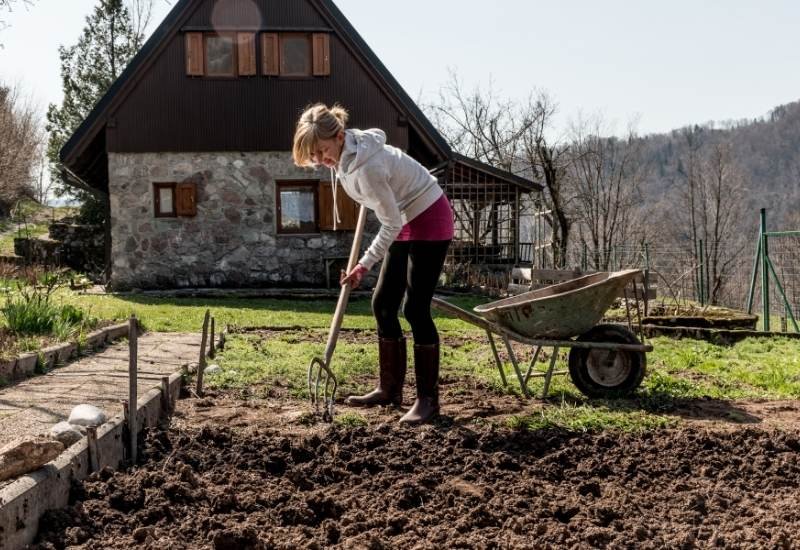
If your soil feels like concrete when dry, or water just pools and doesn’t sink in, compaction is likely your real problem. Loosen the top 20-30cm with a garden fork, working it gently rather than digging deep trenches (which can actually damage soil structure further).
Raised beds are a decent workaround if your existing ground soil is beyond saving — I’ve recommended this to a few friends whose plots had years of construction debris mixed in, and honestly, it saved them a season or two of frustration.
Balance Your Soil’s pH for What You’re Growing
Different plants prefer different pH ranges, and this is one of those things people just don’t check. Most vegetables do best in a slightly acidic to neutral range, roughly 6.0 to 7.0.
If your test showed overly alkaline soil (common in areas with hard, calcium-rich water), adding organic matter and occasionally a bit of sulfur can help nudge it down. For acidic soil, a light dusting of garden lime does the job, though don’t overdo it — more isn’t better here.
Encourage Soil Life With Mulch and Reduced Disturbance
Healthy soil is alive, not just a growing medium. Earthworms, beneficial fungi, and bacteria all play a role in breaking down nutrients into forms plants can actually absorb.
Mulching helps enormously here. A layer of dried leaves, straw, or even shredded newspaper on top of your soil keeps moisture in, moderates temperature swings, and slowly breaks down to feed the soil below. Has your soil ever dried out and cracked within a day of watering? Mulch fixes that almost immediately.
Try to avoid excessive digging or turning of soil once it’s established. Every time you till deeply, you disrupt fungal networks that took months to build. Not tilling at all isn’t always practical for home gardens, but going easy on it makes a real difference.
Use the Right Amendments for Your Specific Soil Type
Not every soil problem needs the same fix, which is where a lot of generic gardening advice falls short.
- Sandy soil drains too fast and loses nutrients quickly — add compost and coco peat to help it retain moisture
- Clay soil holds water too well and compacts easily — mix in coarse sand, compost, and gypsum to improve drainage
- Silty soil is often decent already but benefits from added organic matter for structure
- If you’re gardening in pots, a mix of garden soil, cocopeat, and compost in roughly equal parts usually works well for most vegetables and flowering plants
Improving garden soil quality really comes down to matching the fix to the actual problem, not applying a generic “add compost” solution to everything.
Common FAQs About Improving Garden Soil Quality
Q: How long does it take to improve garden soil quality noticeably? Usually one full growing season, roughly 3-4 months, for a visible difference. Severely compacted or nutrient-poor soil might take two seasons of consistent compost additions before it really turns around.
Q: Can I improve garden soil quality without buying fertilizer? Yes, absolutely. Compost, mulch, and cover crops (if you have the space) can build soil health without synthetic fertilizer at all. Many experienced gardeners actually prefer this slower, organic route.
Q: Is kitchen waste compost good enough on its own? It’s a great start, but kitchen compost alone often lacks certain minerals. Mixing it with leaf mold or a bit of farmyard manure usually gives more balanced results.
Q: How do I know if my soil pH is wrong? Yellowing leaves despite regular fertilizing, stunted growth, or nutrient deficiency symptoms even with good feeding often point to a pH imbalance. A simple test kit clears up the guesswork fast.
Q: Does soil quality matter as much for potted plants as garden beds? Honestly, even more so. Pots have limited soil volume, so nutrients deplete faster and drainage issues show up quicker than in open ground.
Q: What’s the fastest way to improve garden soil quality on a rooftop or balcony? A pre-mixed combination of cocopeat, compost, and perlite or sand gives quick results without needing to fix underlying native soil, which usually isn’t present on terraces anyway.
Final Thoughts
Improving your garden soil quality isn’t a one-weekend project, and honestly, anyone who tells you otherwise is probably selling something. It’s a slow, ongoing process of testing, adjusting, and feeding your soil consistently rather than chasing quick fixes.
Start small. Test your soil this weekend, add a layer of compost, and just watch how your plants respond over the next month. You’ll likely see the difference before you expect it — and once you do, you’ll probably never go back to just dumping fertilizer and hoping for the best.
[link to related guide about composting at home here] [link to related guide about choosing plants for your soil type here] [link to related guide about setting up a rooftop garden here]
Suggested image alt text:
- “Hands mixing compost into garden soil to improve texture and nutrients”
- “Jar test showing layered sand, silt, and clay soil composition”
- “Mulched vegetable garden bed with visible healthy dark soil”
