Building or renovating a home and stuck staring at roofing options? You’re not alone. Most people don’t think about their roof until it’s leaking, and by then they’re making a rushed decision instead of an informed one. This guide on types of roofs explained is meant to fix that — to give you the real trade-offs before a contractor shows up with a quote and a lot of confident-sounding jargon.
I’ve helped a few relatives pick roofing during home construction over the years, and honestly, the biggest mistake I see is people choosing based on what looks nice in a catalog photo rather than what suits their climate, budget, and how long they actually plan to stay in the house. A roof isn’t just a design choice. It’s a 15-25 year commitment, sometimes longer.
Let’s go through the real options, what they actually cost in India right now, and which ones make sense for different situations.
RCC Flat Roofs: The Default Choice for a Reason
If you’ve grown up in an Indian city, this is probably what you picture when someone says “roof.” Reinforced cement concrete, flat, usable as terrace space. It’s the default for a reason — it just works for most urban housing.
Quick answer: RCC flat roofs cost roughly ₹350-600 per square foot in most Indian cities as of 2026, last 40-50 years with proper maintenance, and double up as usable terrace space — which sloped roofs simply don’t offer.
The upside is obvious: you get an extra usable area on top of your house, whether that’s for drying clothes, a small garden, or just space to breathe in a crowded neighborhood. The downside is heat. RCC absorbs sun all day and radiates it back into the top floor at night, which is why top-floor flats in Delhi or Ahmedabad in June feel like an oven even with the AC running.
Waterproofing is the real cost sinkhole here, not the initial construction. Budget for reapplying waterproof coating every 5-7 years — skip it, and you’re looking at seepage repairs that cost far more than the coating would have.
Sloped/Pitched Roofs: Built for Heavy Rain and Snow
Head to the hills — Shimla, Darjeeling, parts of Kerala — and you’ll notice most roofs pitch sharply instead of sitting flat. That’s not just aesthetic. It’s function.
A pitched roof sheds water and snow instead of pooling it, which matters enormously in high-rainfall or snow-heavy regions. Kerala gets some of the heaviest monsoon rainfall in the country, and a flat roof there would be fighting a losing battle against standing water within a season or two.
The trade-off is you lose that terrace space, and construction tends to run a bit higher due to the additional framing and roofing material needed for the slope. Materials vary a lot here:
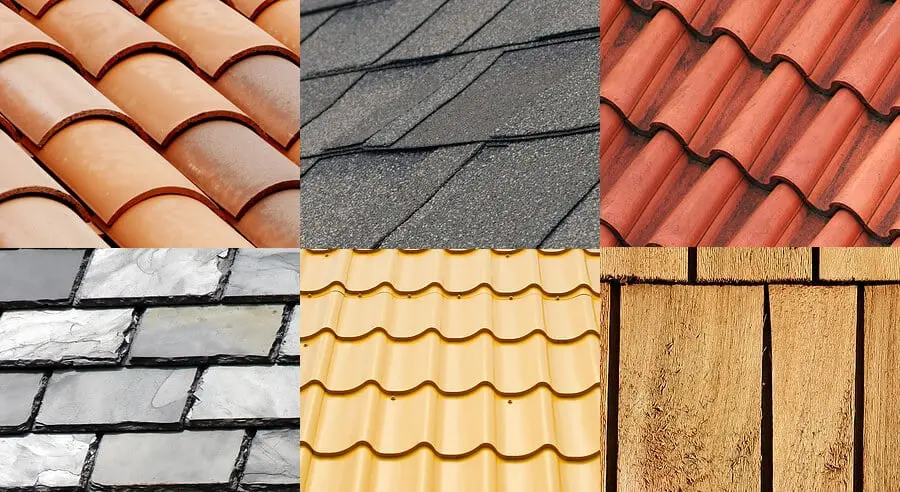
- Clay tiles (traditional, still common in Kerala and coastal Karnataka) — good insulation, but heavier and needs stronger support structure
- Concrete tiles — cheaper than clay, decent durability, less traditional look
- Metal sheet roofing under the tiles in some hybrid designs — faster installation, lower long-term cost
If you’re building in a high-rainfall zone and someone suggests a flat RCC roof purely to save money upfront, push back a little. The water damage down the line usually costs more than the extra you’d spend on a proper slope.
Metal Roofing (GI and Colour-Coated Sheets)
This one’s become genuinely popular for warehouses, factory sheds, and increasingly for budget housing and farmhouses on the outskirts of cities. And I get why — it’s fast to install and it’s cheap.
Quick answer: Metal roofing sheets cost around ₹80-180 per square foot depending on gauge and coating, install in a fraction of the time RCC takes, but tend to trap heat badly unless paired with proper insulation underneath.
Galvanized iron (GI) sheets are the budget option — durable against rust for years, but they get loud during heavy rain and hot under direct sun. Colour-coated sheets cost a bit more but hold up better against corrosion and look less industrial if that matters to you.
Picture a small business owner setting up a warehouse near Sanganer in Jaipur. Metal roofing gets the shed operational in a fraction of the time an RCC structure would take, and for a purely functional storage space, that speed matters more than terrace usability or aesthetics. For an actual residence though, I’d think twice unless you’re adding proper insulation — the heat gain without it is genuinely uncomfortable.
Asphalt Shingle Roofing: Common Abroad, Rare (But Growing) Here
You’ll see this constantly in American home renovation shows, and it’s slowly showing up in gated communities and villa projects in India too, especially ones going for a Western aesthetic.
Asphalt shingles are lightweight, relatively quick to install, and come in a decent range of colors and textures. They’re not built for extreme heat the way Indian summers demand, though — lifespan in Indian climate conditions tends to run shorter than the 20-30 years manufacturers quote for temperate climates.
Cost-wise, you’re looking at roughly ₹150-250 per square foot including installation, which sits in the middle of the pack. It’s a reasonable option for villa-style construction where the aesthetic matters and you’re not in an extreme-heat region, but I wouldn’t recommend it for Rajasthan or Vidarbha where summer temperatures regularly cross 45°C.
Clay and Terracotta Tile Roofs: Traditional and Still Relevant
There’s something to be said for materials that have survived centuries of Indian summers by design, not by accident. Clay tiles have been used across South India, parts of Maharashtra, and Bengal for generations, and they’re not going anywhere.
The natural thermal properties are genuinely impressive — clay stays cooler than metal or concrete under direct sun, which cuts down on cooling costs in a way that’s hard to replicate with modern materials. Mangalore tiles specifically remain a strong choice for anyone building in coastal or hot-humid regions.
A few things worth knowing before you commit:
- Clay tiles are heavier than most alternatives, so your roof framing needs to be designed for the load from the start — retrofitting later is expensive
- They’re more fragile during transport and installation, which means labor costs run a bit higher
- Maintenance is relatively low once installed properly, though individual cracked tiles do need occasional replacement
[link to related guide on home construction material costs here]
[Suggested alt text: “Traditional Mangalore clay tile roof on a South Indian home”]
Green Roofs and Roof Gardens: Not Just a Trend
I’ll admit I was skeptical about this one for years — it felt like something you’d only see in architecture magazines, not something a regular homeowner would actually build. But it’s becoming more practical, especially in dense urban housing where outdoor space is scarce.
A green roof is essentially a waterproofed flat roof with a growing layer on top — plants, sometimes a small vegetable patch, occasionally a proper garden depending on structural load capacity. It insulates the floor below significantly, which means real savings on cooling costs during peak summer.
The catch is upfront cost and structural requirements. You need reinforced waterproofing (leaks under a green roof are a nightmare to trace and fix), proper drainage layers, and a structural engineer’s sign-off that your building can actually bear the additional weight. This isn’t a weekend DIY project — budget accordingly and don’t skip the engineering assessment.
Solar Roof Tiles and Integrated Panels
This is where roofing is genuinely heading in 2026, especially with rising electricity costs and various state subsidy schemes pushing residential solar adoption. Instead of bolting solar panels onto an existing roof, solar tiles integrate the panel directly into the roofing material itself.
Quick answer: Solar roof tiles cost significantly more upfront than traditional panels — often 2-3x — but offer a cleaner aesthetic and dual function as both roofing and power generation, making sense mainly for new construction rather than retrofits.
For most homeowners right now, honestly, a standard RCC or sloped roof with separately mounted solar panels remains the more cost-effective choice. Solar tiles are still catching up on price parity in the Indian market. Worth watching this space over the next few years, though — the technology’s moving fast.
Comparing Roof Types by Budget: A Quick Reference
Here’s roughly where each option lands, so you’re not starting from zero when you sit down with a contractor:
| Roof Type | Approx. Cost (per sq ft) | Best For |
| RCC Flat Roof | ₹350-600 | Urban homes needing terrace space |
| Metal Sheet | ₹80-180 | Warehouses, budget structures |
| Clay/Terracotta Tile | ₹200-400 | Hot-humid, coastal regions |
| Asphalt Shingle | ₹150-250 | Villa-style aesthetic builds |
| Green Roof | ₹500-900+ | Dense urban homes wanting insulation |
These numbers shift by city and material grade, so treat them as a starting point for conversations with your contractor, not a final quote.
[link to related guide on hiring a reliable home contractor here]
Frequently Asked Questions
Which type of roof is cheapest in India? Metal sheet roofing (GI sheets specifically) tends to be the cheapest option, starting around ₹80 per square foot. It’s not ideal for residential comfort without added insulation, but for sheds, warehouses, or budget outbuildings, it’s hard to beat on cost.
Which roof type lasts the longest? RCC and clay tile roofs both tend to last 40+ years with reasonable maintenance. Metal sheets typically need replacement or major repair within 15-25 years depending on coating quality and coastal exposure to salt air.
Is a flat roof or sloped roof better for Indian homes? It genuinely depends on your region. Flat RCC roofs work fine in most of North and Central India and give you usable terrace space. In heavy-rainfall zones like Kerala or the Northeast, a sloped roof handles water runoff far better.
Do clay tile roofs keep homes cooler? Yes, noticeably. Clay has natural insulating properties that keep interior temperatures lower than metal or bare concrete roofing, which is part of why the style has stuck around for centuries in hot regions.
How often does a roof need waterproofing? For RCC flat roofs, most contractors recommend reapplying waterproof coating every 5-7 years. Skipping this is the single most common cause of seepage complaints in Indian apartments.
Are solar roof tiles worth it in 2026? For new construction with the budget to spare, they’re worth considering. For most existing homes, separately mounted solar panels on a traditional roof still offer better value per rupee right now.
Final Thoughts
There’s no single “best” roof — just the one that actually fits your climate, budget, and how you plan to use the space above your head. If you’re in a hot, dry region and want terrace space, RCC still makes sense. Heavy rainfall zone? Look seriously at a sloped design. Tight budget for a warehouse or outbuilding? Metal sheets get the job done.
Before you sign off on any roofing contract, get at least two independent quotes and ask specifically about waterproofing warranties — that’s where most of the long-term cost actually hides. Talk to a local structural engineer if you’re considering anything beyond a standard flat or sloped roof, and don’t let a catalog photo make the decision for you.