Water is one of those everyday necessities that rarely gets much attention until something goes wrong. Maybe the tap water has an unpleasant taste, mineral deposits keep appearing on the showerhead, or employees at the office are constantly refilling plastic bottles because the drinking-water station isn’t convenient. These little frustrations can add up, and they often point toward a simple question: could a better water system make daily life easier?
Modern water treatment offers several ways to improve convenience, manage water quality, and reduce unnecessary waste. From filtration systems that treat water throughout a property to convenient drinking stations and connected monitoring devices, the options are more varied than ever. The best choice depends on the building, the water supply, and what you want the system to accomplish.
Why Water Quality Matters Beyond the Kitchen
Many people focus on drinking water first, which makes sense. Taste and odor are easy to notice, especially when you’re making tea, cooking dinner, or filling a glass after a long day. Yet water quality can affect other parts of a property, too.
Hard water, for example, contains elevated levels of calcium and magnesium. Over time, these minerals can leave deposits on faucets, shower doors, and appliances. Soap may be harder to rinse away, and water heaters can accumulate scale that affects performance.
Other concerns may include sediment, chlorine taste, iron staining, or specific contaminants that require laboratory testing to identify. The right treatment depends on what’s actually present. A filter designed to improve taste may not address hardness, and a softener generally isn’t intended to remove every chemical or microorganism.
Starting with a water test is often the most practical approach. It helps establish a baseline and makes it easier to choose equipment based on evidence rather than advertising claims.
Treating Water Throughout the Property
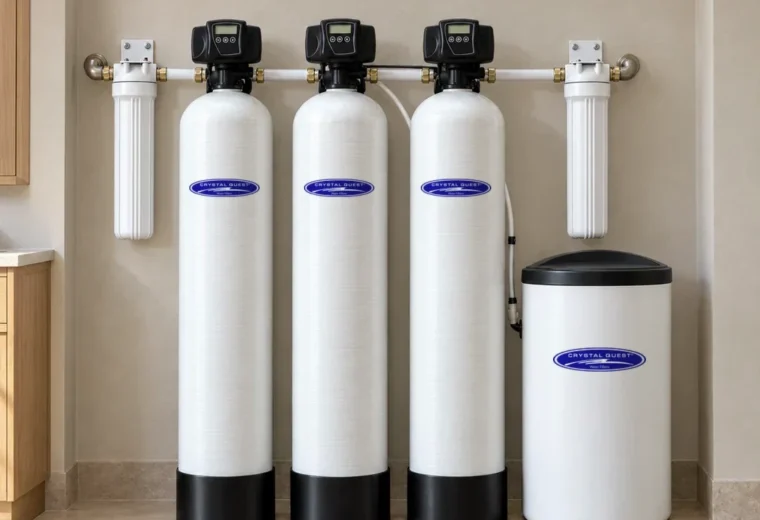
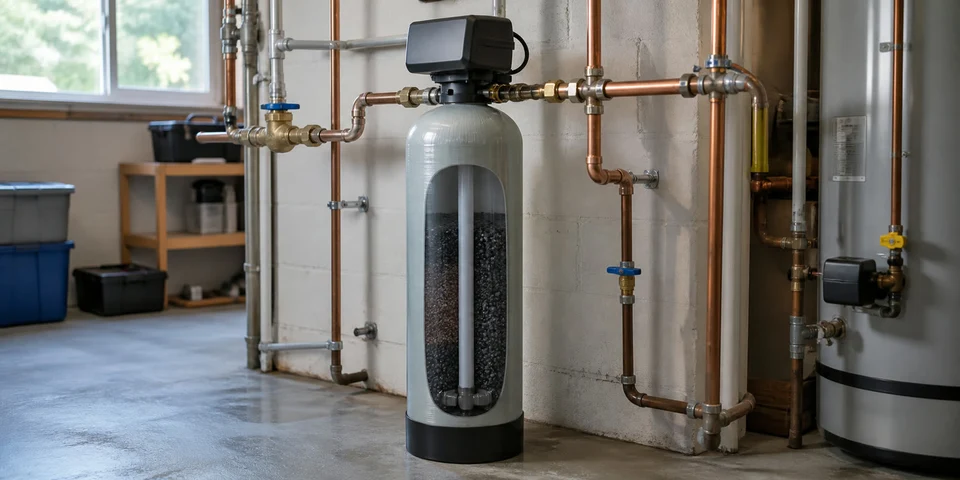
For households dealing with water-quality concerns at several fixtures, a point-of-entry system may be worth considering. Instead of treating water at just one faucet, this type of equipment is installed where the main supply enters the building.
Whole house water filters are designed to treat incoming water before it travels to showers, sinks, laundry appliances, and other fixtures. Depending on the filter media and system configuration, they may reduce sediment, chlorine, or certain other substances. The specific results depend on the product and the water being treated.
That distinction matters. A whole-house filter isn’t automatically a solution for every water problem. Some contaminants require specialized treatment, while hardness usually calls for a water softener rather than a conventional sediment or carbon filter.
For example, a homeowner who notices a strong chlorine odor may benefit from an appropriately selected carbon filtration system. Someone experiencing reddish-brown stains from iron may need equipment specifically designed to address iron in the water. A private well with bacterial contamination requires a different response altogether.
Before installation, consider the property’s daily water demand, pipe size, available space, and maintenance requirements. A system that’s too small may struggle during periods of high use, while an unnecessarily large setup can increase purchase and operating costs.
Making Drinking Water More Convenient at Work
Water needs change when you move from a private home to a busy office, school, clinic, or commercial workspace. Employees and visitors need convenient access to drinking water throughout the day, and a single small dispenser may not be enough for a crowded building.
This is where bottleless coolers can offer a practical alternative to traditional bottled-water dispensers. These units connect directly to a building’s water supply and typically use filtration to improve the drinking experience. Depending on the model, they may provide chilled water, room-temperature water, or hot water for tea and other beverages.
One obvious advantage is convenience. There’s no need to order, store, and repeatedly replace large water bottles. That can free up storage space and reduce the handling associated with bottled-water delivery.
Bottleless systems can also reduce the use of disposable bottles, although their overall environmental impact depends on factors such as filter replacements, electricity consumption, installation, and the bottled-water alternative being replaced.
Choosing a unit requires a little planning. Consider how many people will use it, where the connection can be installed, whether drainage is needed, and how frequently the filters must be changed. In a busy workplace, reliable maintenance is particularly important. A convenient cooler is only useful when it consistently provides water that meets the site’s quality requirements.
How Smart Water Monitoring Can Help
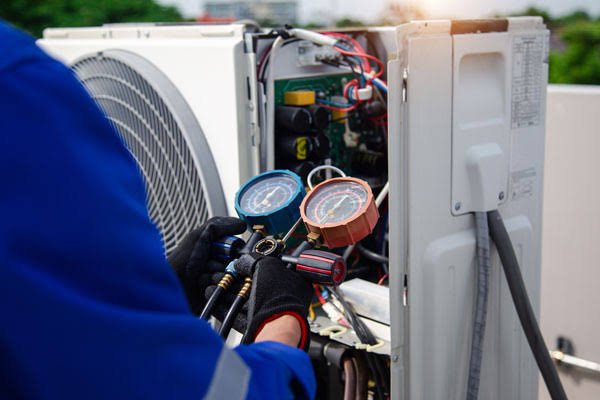
Water systems are becoming more connected, much like heating, lighting, and security equipment. Some newer devices can track water flow, detect leaks, send maintenance alerts, or provide information through a mobile app.
Smart water monitoring can help property owners identify unusual patterns before they become expensive problems. Imagine leaving for a weekend trip and receiving an alert that water is still flowing through a pipe long after it normally would. That information could help you investigate a possible leak before it causes extensive damage.
For businesses, monitoring tools may help identify unexpected water consumption, track usage trends, or flag equipment that needs attention. These insights can be especially useful in buildings with several treatment units or complex plumbing arrangements.
However, not every smart device measures water quality. A leak detector may monitor flow without identifying contaminants, while a connected filtration system might track filter life without testing the water for bacteria or chemicals.
It’s important to understand exactly what a device measures and what its alerts mean. Electronic monitoring can complement good maintenance and appropriate laboratory testing, but it shouldn’t be treated as a substitute for either.
Choosing Equipment Without Overspending
With so many products available, it’s easy to assume that the newest technology must be the best choice. In reality, the most useful system is usually the one that addresses a clearly identified need.
Begin by asking a few straightforward questions:
- What specific water-quality problem are you trying to solve?
- Does the issue affect one faucet or the entire property?
- How many people will use the system each day?
- What installation work will be required?
- How much will filters, replacement parts, and servicing cost over time?
- Does the manufacturer provide independent certification for the treatment claims that matter to you?
These questions help you compare products more fairly. A compact under-sink filter, a whole-house filtration unit, and a bottleless drinking-water cooler serve different purposes. Their prices shouldn’t be compared without considering what each one actually provides.
It’s also worth checking product certifications from recognized organizations such as NSF. Certification details can help establish whether a particular model has been tested against specific performance standards. Look at the exact claim rather than assuming every certified product reduces every contaminant.
Maintenance Is What Keeps a System Useful
Even well-designed equipment needs attention. Filters eventually reach their replacement interval, softeners may require salt, and connected devices need occasional checks to ensure their sensors and alerts are working as expected.
Keep a record of installation dates, maintenance visits, and filter changes. For commercial properties, assign responsibility for these tasks so they don’t get forgotten when staff schedules change.
Watch for unexpected changes in taste, odor, pressure, or appearance. These symptoms don’t always indicate contamination, but they deserve investigation. For private wells, follow local testing recommendations and arrange additional testing when conditions change or contamination is suspected.
Regular maintenance also helps protect your investment. Replacing a filter on schedule is generally easier than waiting until reduced flow or poor performance disrupts everyday use.
Making Water Work Better for You
A good water system should fit naturally into daily life. At home, that might mean treating water throughout the property to address a confirmed concern. In an office, it could mean providing convenient filtered drinking water without storing heavy bottles. For a building manager, monitoring tools may offer useful visibility into water usage and potential leaks.
The important thing is to begin with your actual needs. Test the water where appropriate, compare equipment carefully, and understand the maintenance involved before making a decision.
Better water management doesn’t always require a complicated setup. Sometimes a well-chosen filter or a more convenient drinking-water station is enough. With the right equipment and a sensible maintenance routine, both homes and workplaces can enjoy a more dependable, practical approach to everyday water.