There are few things more frustrating than coming home after a long day and discovering that the house is unbearably hot or unexpectedly cold. You adjust the thermostat, wait a while, and hope the temperature will settle. Sometimes it does. Other times, the system keeps running without making much difference, leaving you wondering what went wrong.
Home comfort depends on more than having a furnace or an air conditioner. Equipment condition, proper installation, insulation, airflow, and regular maintenance all play a part. When these elements work together, the home feels more comfortable, energy use becomes easier to manage, and unexpected breakdowns may become less frequent.
The trick is knowing what your home needs and taking care of problems before they turn into bigger expenses.
Why Indoor Temperature Control Matters
Indoor temperature affects everyday life in ways people don’t always notice. A bedroom that’s too warm can make sleeping uncomfortable, while a chilly living room may discourage the family from spending time together. In areas with extreme weather, maintaining a suitable indoor environment can also be important for children, older adults, and people who are sensitive to temperature changes.
A properly maintained air conditioning system helps manage indoor temperatures during hot weather while also removing some moisture from the air. That second function matters more than many homeowners realise. Excess humidity can leave rooms feeling sticky, even when the thermostat displays a reasonable temperature.
However, effective cooling requires more than choosing a low thermostat setting. Dirty filters, blocked return vents, leaking ducts, or poorly sized equipment can prevent the system from performing as expected.
If one room feels noticeably warmer than another, don’t immediately assume the air conditioner is too small. The problem could involve insulation, sunlight entering through windows, ductwork, or an airflow imbalance. Finding the actual cause is usually a better investment than purchasing replacement equipment without a proper assessment.
Choosing Heating Equipment That Suits Your Property
When temperatures drop, a dependable heating system becomes essential. But not every home needs the same type of equipment, and the cheapest option isn’t always the most economical over the long term.
Modern heating equipment includes furnaces, boilers, heat pumps, and other systems designed for different properties and climates. Each has its advantages, installation requirements, and ongoing operating costs.
Furnaces are common in many homes, particularly where ductwork is already available. Boilers distribute heat through hot water or steam, while heat pumps can provide both heating and cooling. A ductless mini-split may be useful when adding comfort to a converted garage, home extension, or room that existing equipment struggles to reach.
Before choosing a system, consider the home’s size, insulation, local climate, energy prices, and existing infrastructure. A qualified HVAC professional can calculate the heating load and recommend suitable equipment instead of relying on square footage alone.
Sizing is particularly important. An undersized system may struggle during cold weather, while an oversized unit can cycle on and off too frequently. Both situations can affect comfort and operating efficiency.
Ask about energy ratings, expected maintenance costs, equipment warranties, and the availability of replacement parts. These details help you look beyond the initial price and understand the longer-term commitment.
Installation Quality Makes a Lasting Difference
Even excellent equipment can perform poorly when installed incorrectly. Improper electrical connections, badly configured controls, restricted airflow, or unsuitable venting can create performance problems and, in some cases, safety risks.
A professional installation should begin with a proper assessment of the property. The contractor should explain the recommended system, outline the work involved, and provide a written estimate before installation begins.
Ductwork deserves particular attention. Leaks can allow conditioned air to escape into unoccupied spaces, while poorly balanced ducts may leave some rooms uncomfortable. Sealing appropriate leaks and correcting airflow issues can sometimes improve comfort without replacing the entire system.
Once the installation is complete, the technician should test the equipment, check its operation, and explain the controls and maintenance requirements. Keep the paperwork, warranty details, and service records somewhere accessible. They can be useful when arranging future repairs or checking whether particular work remains covered.
Small Maintenance Habits Can Prevent Bigger Problems
Most homeowners don’t spend much time thinking about their HVAC system when it works properly. That’s understandable, but a little attention throughout the year can help keep it running reliably.
Start with the air filter. Check it regularly and replace it according to the manufacturer’s recommendations. Homes with pets, construction dust, or heavy system usage may require more frequent checks.
Keep supply and return vents clear of furniture, rugs, and curtains. Outdoor units should also have sufficient clearance for airflow. Remove loose leaves and debris carefully, following the manufacturer’s instructions, and avoid opening electrical compartments or handling refrigerant components yourself.
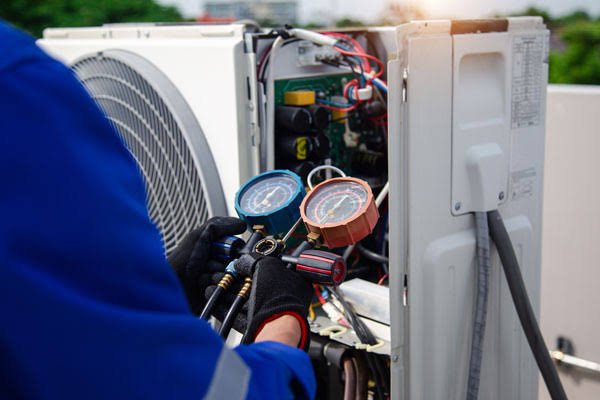
Professional maintenance is equally valuable. Depending on the equipment, a technician may inspect electrical connections, test controls, examine airflow, clean relevant components, and check safety features. Fuel-burning appliances need particular attention to combustion and exhaust venting.
It’s sensible to arrange service before the busiest heating or cooling season whenever possible. Waiting until the first major heatwave or cold spell can leave you competing for appointments when demand is high.
Regular maintenance cannot prevent every failure, of course. Equipment ages, and components sometimes stop working without much warning. Still, routine inspections can identify developing issues and help you plan repairs more confidently.
What to Do When Your HVAC System Stops Working
A sudden breakdown can be stressful, particularly when outdoor temperatures are uncomfortable. Before calling a technician, there are a few basic checks you can make safely.
Look at the thermostat settings and confirm that it has power. Check whether the relevant circuit breaker has tripped, but never repeatedly reset a breaker that continues to trip. If the system uses a replaceable air filter, see whether it is heavily clogged. Some equipment also has a clearly accessible power switch that may have been turned off accidentally.
If these simple checks don’t resolve the problem, professional diagnosis is the next step. Avoid dismantling equipment or attempting electrical and refrigerant repairs without the appropriate qualifications.
When Emergency Service Is Necessary
Not every HVAC problem requires an immediate visit, but some situations should never be left until the next convenient appointment.
A complete loss of heating during dangerously cold weather may put vulnerable household members at risk. Similarly, a failed cooling system during extreme heat can create serious concerns for older adults, young children, and people with certain health vulnerabilities.
A provider offering emergency service may be able to respond outside normal business hours, although availability, response times, and charges vary. Ask what the service includes before approving the work, especially if the problem occurs overnight or during a holiday.
Safety always comes first. If you smell gas, leave the building without operating electrical switches or using flames, then contact the gas emergency service from a safe location. If a carbon monoxide alarm sounds, get everyone outside immediately and contact emergency services. Don’t re-enter until authorities say it is safe.
For less urgent issues, such as mild temperature differences or a noisy fan, scheduling a standard appointment may be perfectly reasonable.
Improving Comfort Without Increasing Energy Bills
Heating and cooling costs can rise quickly when equipment runs inefficiently. Fortunately, a few household improvements may help reduce unnecessary energy use.
Seal drafts around suitable door and window openings, improve insulation where needed, and use curtains or blinds to manage sunlight. A programmable thermostat can help adjust temperatures when nobody is home, provided the settings remain appropriate for the weather and household needs.
Avoid constantly changing the thermostat in an attempt to make the system work faster. Most systems don’t heat or cool a room more quickly simply because the target temperature is set much farther away.
If your energy bills increase unexpectedly, compare them with previous periods and consider changes in weather or usage. If the increase remains unexplained, arrange an inspection to check for possible equipment or airflow problems.
Make Comfort a Priority All Year
A comfortable home doesn’t require the newest equipment or constant attention. It requires sensible choices, proper installation, and a willingness to address small problems before they become major disruptions.
Understand what your system needs, keep up with basic maintenance, and work with qualified professionals when repairs or replacement become necessary. These practical steps can help your equipment perform more consistently and make household expenses easier to anticipate.
In the end, the best heating and cooling system is one that quietly does its job, keeps your family comfortable, and gives you one less thing to worry about when the weather changes.