Getting quotes for a new roof and feeling like every contractor gives you a wildly different number? You’re not imagining it. New roof cost in India varies more than most people expect, sometimes by 30-40% for what looks like the same job on paper, and there’s usually a real reason behind the gap — not just someone padding their margin.
I went through this exact confusion last year helping my uncle get his roof redone after a bad monsoon season damaged the waterproofing badly enough that patching it just wasn’t an option anymore. The first quote he got was almost double the second one. Same house, same city, same basic scope. Turned out the expensive contractor was including a 10-year warranty and premium waterproofing membrane, while the cheaper one was using standard materials with a 3-year guarantee.
So let’s actually break down what drives the price, what you should expect to pay in 2026, and where you can save without cutting corners that’ll cost you later.
What’s the Average New Roof Cost in India Right Now?
Quick answer: As of 2026, new roof cost in India typically ranges from ₹80 per square foot for basic metal sheet roofing to ₹900+ per square foot for premium green roofs or reinforced structures, with most standard RCC or tile roofing falling between ₹300-500 per square foot.
That’s a huge range, I know. But roofing isn’t a one-size-fits-all product — it depends heavily on material, your city (labor costs in Mumbai and Bengaluru run noticeably higher than in tier-2 cities), roof complexity, and whether you’re doing new construction or replacing an existing roof.
For a rough starting point, here’s what a 1,000 square foot roof might cost across common material choices:
- Metal sheet roofing: ₹80,000 – ₹1,80,000
- RCC flat roof: ₹3,50,000 – ₹6,00,000
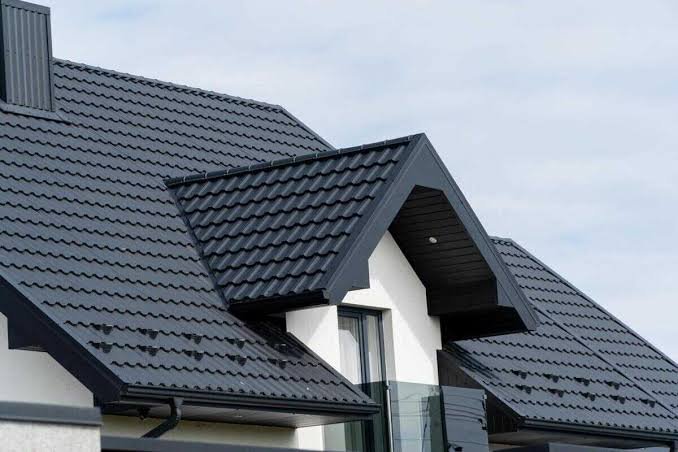
- Clay/terracotta tiles: ₹2,00,000 – ₹4,00,000
- Asphalt shingles: ₹1,50,000 – ₹2,50,000
These are ballpark figures, and honestly, I’d treat any number you read online (including this one) as a starting point for negotiation, not gospel. Get local quotes.
Factors That Actually Move the Price
A lot of guides list “material” and stop there, which isn’t very useful. Here’s what genuinely swings your new roof cost up or down in practice.
Roof size matters obviously, but not linearly — smaller roofs often cost more per square foot because fixed costs like labor mobilization and equipment setup get spread over less area. A 500 sq ft roof might run 15-20% more per square foot than a 2,000 sq ft one.
Roof pitch and complexity change things a lot too. A simple flat roof is straightforward. A roof with multiple angles, dormers, or a steep pitch needs more skilled labor and more time, and contractors price that in.
- Material grade — even within “RCC,” you’re choosing between standard and higher-grade waterproofing, which shifts cost by 15-25%
- Removal of old roofing — if you’re replacing rather than building new, tear-off and disposal adds ₹15-40 per square foot depending on material
- Structural repairs — if the underlying framework has damage (common in older homes with water issues), this gets discovered mid-project and adds unplanned cost
- Accessibility — a roof that’s hard to reach with equipment, say in a dense old-city neighborhood with narrow lanes, costs more in labor time
- Season — getting roofing done right before or during monsoon often costs more due to urgency pricing; planning ahead in winter or early summer tends to get better rates
Labor vs. Material: Where’s the Money Actually Going?
Most people assume material is the bulk of the cost. It’s actually closer to a 60-40 or even 50-50 split once you factor in skilled labor, especially for anything beyond basic metal sheeting.
Quick answer: For most roofing projects in India, materials account for roughly 55-65% of total new roof cost, with labor making up the remaining 35-45% — though this shifts toward labor-heavy for complex tile or slate installations requiring specialized skill.
I’ve noticed contractors sometimes lowball the labor estimate to win the bid, then quietly extend the timeline (and your inconvenience) instead of raising the price outright. Ask for a fixed-price contract with a clear timeline penalty clause if you can. It protects you from both cost creep and endless delays.
City-Wise Cost Differences You Should Know About
Roofing costs aren’t uniform across India, and this catches a lot of people off guard when they compare notes with a friend in a different city.
Metro cities like Mumbai, Delhi NCR, and Bengaluru run roughly 20-35% higher on labor costs compared to tier-2 cities like Jaipur, Indore, or Coimbatore. Material costs are more consistent nationally since most roofing materials get transported from a handful of manufacturing hubs regardless of your city, but labor is where the real regional gap shows up.
Picture a homeowner comparing quotes between Jaipur and Mumbai for an identical 1,200 sq ft RCC roof. The Jaipur quote might come in around ₹4.2 lakhs. The Mumbai quote for the same specs, same materials, could land closer to ₹5.5-6 lakhs — purely because of labor rates and site logistics in a denser, more expensive city.
If you’re building a second home or have flexibility on timing, getting quotes from contractors slightly outside major metro cores (but still reputable) can save a meaningful chunk without compromising quality.
New Construction vs. Roof Replacement: A Real Cost Gap
This is one distinction that a lot of cost guides gloss over, and it matters a lot.
Building a roof as part of new construction is almost always cheaper per square foot than replacing an existing one. Why? Because with new construction, there’s no tear-off, no disposal, no working around an occupied, furnished home, and often no unexpected structural surprises since everything’s being built fresh.
Replacement work adds real cost:
- Removing and disposing of old roofing material (can run ₹20-50 per sq ft depending on material and local disposal rules)
- Protecting the interior and belongings during the work — tarping, moving furniture
- Higher probability of discovering hidden damage once the old roof comes off
- Sometimes needing to work in phases if the home stays occupied during the project
If you’re planning a roof replacement, budget an extra 15-25% above pure new-construction estimates for these factors. Contractors who quote replacement jobs at new-construction rates are usually cutting corners somewhere, and that somewhere is often the part you can’t see until it’s too late.
[link to related guide on types of roofs explained here]
Hidden Costs People Forget to Budget For
Here’s where a lot of homeowners get an unpleasant surprise midway through the project — costs that don’t show up on the initial quote but absolutely show up on the final bill.
Permit and approval fees, for one. Depending on your city and society bylaws, you might need municipal approval or a housing society NOC before major roofing work, and this isn’t always factored into contractor quotes upfront.
Scaffolding and equipment rental is another one, especially for taller homes or ones without easy roof access. This can add ₹10,000-30,000 depending on height and duration.
And then there’s the waterproofing warranty gap — some contractors quote a low base price and treat proper waterproofing as an “optional upgrade,” which honestly, it shouldn’t be treated as optional at all. Skimping here is exactly how you end up back at square one in three years.
[Suggested alt text: “Contractor measuring roof area for cost estimate on Indian home”]
How to Get an Accurate Quote (Without Getting Overcharged)
Has this happened to you — three contractors, three wildly different quotes, and no clear way to tell who’s actually right? It’s frustrating, but there’s a system to it.
Quick answer: To get an accurate new roof cost estimate, request itemized quotes (not lump-sum figures) from at least three contractors, verify material specifications match across quotes, and confirm whether tear-off, disposal, and warranty terms are included before comparing prices.
A few practical steps that actually help:
- Insist on itemized quotes, not a single lump-sum number — you need to see material cost, labor cost, and any add-ons separately to compare fairly
- Ask each contractor for the exact material brand and grade they’re quoting — “waterproofing membrane” can mean a ₹40/sq ft product or a ₹150/sq ft one
- Check for a written warranty period and what specifically it covers
- Verify they’re including old roof removal if it’s a replacement, not just new installation
- Get references from at least one recent client and, if you can manage it, actually go look at that roof
Don’t just go with the lowest quote automatically. I’ve seen that backfire more than once, where the “savings” upfront turned into a second roofing project within five years.
[Suggested alt text: “Itemized roofing cost quote comparison sheet for homeowners”]
[link to related guide on hiring a reliable home contractor here]
Frequently Asked Questions
How much does a new roof cost for a 1,000 sq ft house in India? Depending on material, expect anywhere from ₹80,000 for basic metal sheeting to ₹6,00,000 for a premium RCC roof with high-grade waterproofing. Most standard RCC or tile roofs for this size land somewhere between ₹3-5 lakhs.
Is roof replacement more expensive than new roof construction? Yes, typically by 15-25%, mainly due to tear-off, disposal costs, and the added complexity of working around an already-built, often occupied home.
What’s the cheapest type of new roof? Metal sheet (GI) roofing is generally the cheapest option, starting around ₹80 per square foot, though it comes with trade-offs in heat retention and noise during rain compared to pricier alternatives.
How can I lower my new roof cost without sacrificing quality? Get multiple itemized quotes, plan the project outside peak monsoon urgency season, and avoid treating waterproofing as optional — that’s the one area where cutting cost usually backfires within a few years.
Does roof size affect the cost per square foot? Yes, somewhat counterintuitively. Smaller roofs often cost more per square foot than larger ones because fixed costs like labor mobilization get spread over less total area.
How long does a new roofing project typically take? For an average home, expect 1-3 weeks depending on roof size and material, though this stretches during monsoon season due to weather delays and higher contractor demand.
Final Thoughts
There’s no single honest answer to “how much does a new roof cost” — it genuinely depends on your material choice, city, roof condition, and whether you’re building fresh or replacing. What you can control is getting itemized, comparable quotes and not treating waterproofing or warranty terms as negotiable line items to cut.
If you’re planning roofing work for later this year, start collecting quotes now, well before monsoon urgency drives prices up. Talk to at least three contractors, ask the uncomfortable questions about what’s included, and don’t let the cheapest number on paper make the decision for you.