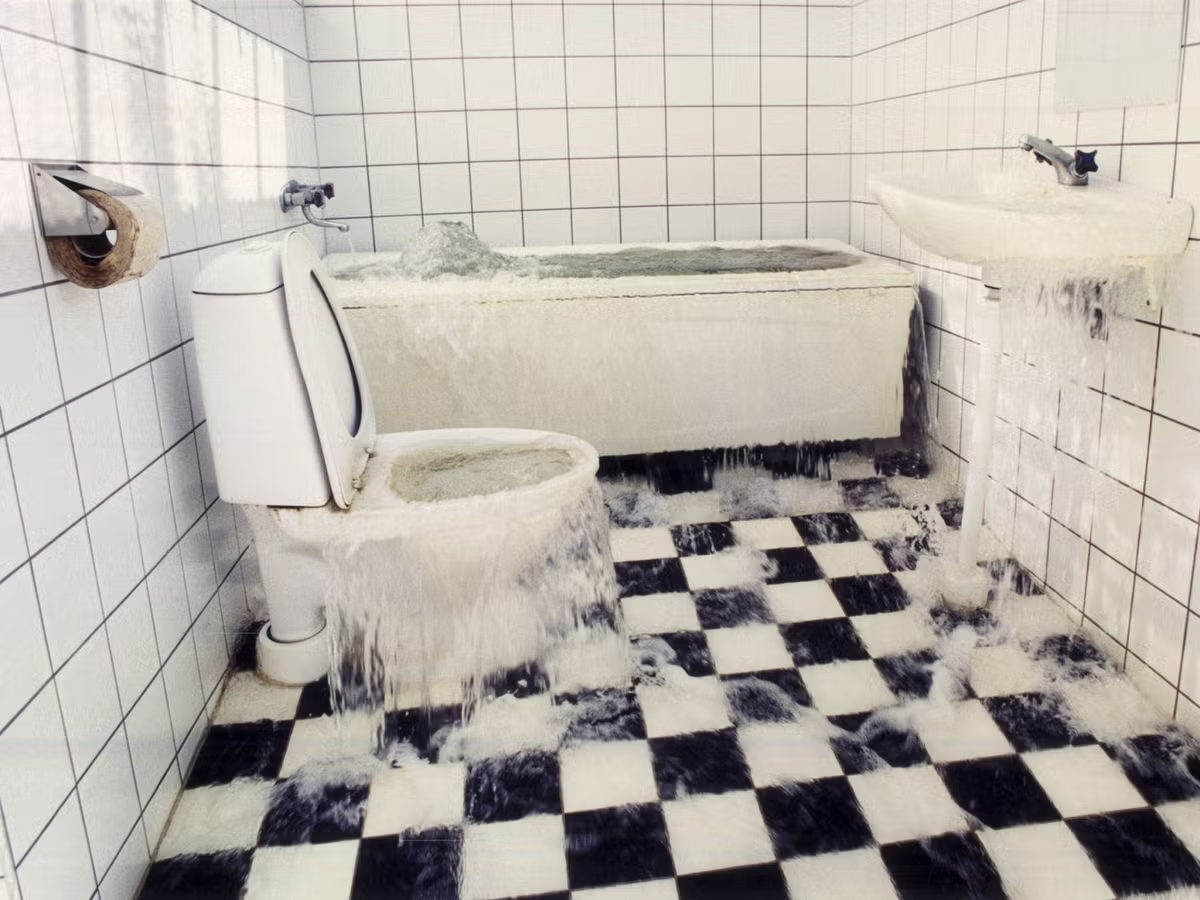
Standing in ankle-deep water while you shower is not a great way to start your morning. If you’ve ever watched your sink drain like it’s thinking about it, you already know the frustration. The good news? You don’t need a bottle of caustic drain cleaner to fix it. You can unclog a drain naturally using things sitting in your kitchen right now, and in most cases it works just as well — sometimes better — than the chemical stuff.
This guide walks through exactly how to do it, step by step, with real methods that actually hold up (not just internet folklore).
Why Avoid Harsh Chemical Drain Cleaners in the First Place
Unclog drain naturally methods exist for a reason — chemical cleaners aren’t as harmless as the bottle makes them look.
Most commercial drain cleaners are built around sodium hydroxide or sulfuric acid. That’s powerful stuff. It’ll eat through hair and grease, sure, but it’ll also eat through old PVC pipes if you use it too often. I’ve seen a neighbor’s 15-year-old plumbing develop a leak after months of monthly chemical treatments — the pipe just couldn’t take it anymore.
There’s also the fume issue. Anyone with kids, pets, or a small, poorly ventilated bathroom knows that smell isn’t something you want lingering. And if you mix an acidic cleaner with a leftover bleach-based one? That’s a genuinely dangerous combination.
Then there’s cost. A bottle of branded drain cleaner in India runs anywhere from ₹150 to ₹400, and you’ll likely need more than one bottle for a stubborn clog. Baking soda and vinegar cost a fraction of that and you probably already own them.
None of this means chemical cleaners are useless — for a truly severe blockage, they sometimes are the fastest fix. But for the everyday slow drain, going natural first just makes more sense.
The Baking Soda and Vinegar Method (The Classic)
This is the one everyone’s heard of, and it earns its reputation.
How to unclog a drain naturally with baking soda and vinegar:
- Remove any standing water first — bail it out with a cup if needed
- Pour half a cup of baking soda directly down the drain
- Follow immediately with half a cup of white vinegar
- Cover the drain (a wet cloth works fine) and let the fizzing reaction do its work for 15-20 minutes
- Flush with a kettle of boiling water
The fizzing you see is a chemical reaction, but it’s a harmless one — carbon dioxide, water, and sodium acetate. It helps loosen grease and grime clinging to the pipe walls. Is it as strong as sulfuric acid? No. But for soap scum and light grease buildup, it does a genuinely solid job.
One thing I’ve noticed: this method works far better as prevention than as a cure for a fully blocked drain. If water isn’t moving at all, you’ll want to pair this with physical removal first (more on that below).
Boiling Water — Simple, Underrated, and Often Enough
Direct answer: Boiling water alone can clear minor clogs caused by grease, soap residue, or light buildup. Pour it slowly in two to three stages, letting it work for a few seconds between pours, and avoid this method on PVC pipes if your plumbing is older or already fragile.
Don’t underestimate this one. It sounds too simple to work, but grease and soap scum melt at temperatures well below boiling. A slow, steady pour — not a single dump — gives the heat time to actually break things down instead of just running past the clog.
Skip this method if you have PVC piping that’s already showing wear, though. Repeated blasts of boiling water can warp older plastic pipes over time. Ceramic and metal pipes handle it fine.
Using a Plunger the Right Way
Most people use a plunger wrong. That’s the honest truth.
For it to work, you need a proper seal. Fill the sink or tub with a couple of inches of water first — this creates the pressure differential that actually pushes the clog through. Plunge in a steady, forceful rhythm, about 15-20 pumps, rather than a few half-hearted pushes.
A few tips that make a real difference:
- Use a cup plunger for sinks and a flange plunger for toilets — they’re built differently for a reason
- Block any overflow drain with a wet cloth so pressure doesn’t just escape sideways
- Petroleum jelly around the rim improves the seal noticeably
Picture a small business owner running a tiny café near Bapu Bazar in Jaipur — the wash basin backs up right before the morning rush. No time to call a plumber. A plunger, used properly, solves this in under two minutes half the time. It’s genuinely the fastest tool on this list when the clog is close to the drain opening.
The Wire Hanger or Drain Snake Trick
Sometimes the clog isn’t grease or soap — it’s hair, and hair needs to be physically pulled out, not dissolved.
Straighten a wire coat hanger and bend a small hook at one end. Push it into the drain, twist gently, and pull. You’ll be a little grossed out by what comes up. That’s normal.
If you want something built for the job, a plastic drain snake (sometimes sold as a “zip-it” tool) costs around ₹100-150 online and works even better because of the barbed edges designed to grab hair.
Unclog drain naturally doesn’t always mean pouring something down the pipe — sometimes it just means physically removing what’s stuck there, which honestly should be step one for bathroom drains specifically.
Salt and Baking Soda Combo for Tougher Clogs
For grease-heavy kitchen sink clogs, plain baking soda and vinegar sometimes isn’t quite enough. Adding salt increases the abrasive, grease-cutting power of the mixture.
Mix half a cup of table salt with half a cup of baking soda and pour it down the drain. Let it sit for a good 10-15 minutes — don’t rush this part — then follow with boiling water. The salt helps break down grease deposits that vinegar alone struggles with.
This combo works particularly well in kitchen sinks where cooking oil and food residue build up over weeks. I’ll admit I was skeptical the first time I tried it, expecting basically no difference from the standard method. But on a genuinely greasy kitchen drain, it noticeably outperformed the plain baking soda and vinegar version.
[link to related guide about kitchen grease disposal here]
Enzyme-Based Drain Cleaners: The Middle Ground Option
If DIY methods aren’t cutting it but you still want to skip the harsh chemicals, enzyme-based cleaners are worth a look. These use live bacteria and enzymes that literally eat organic buildup — hair, grease, food particles — over a period of days.
They’re slower than chemical cleaners, usually taking 24-48 hours to show real results, but they’re safe for septic systems, PVC pipes, and won’t release fumes. Many Indian brands now sell these online for ₹200-350 a bottle.
Use them as a maintenance step, poured down drains once a week or so, rather than as an emergency fix. Think of it less as unclogging and more as keeping the clog from forming in the first place.
Preventing Future Clogs (So You’re Not Doing This Every Month)
Has your drain ever cleared up nicely, only to slow down again three weeks later? That’s usually a prevention problem, not a one-time fix problem.
A few habits that genuinely cut down on clogs:
- Install a cheap mesh drain cover (₹50-100) to catch hair and food scraps before they go down
- Never pour cooking oil or ghee straight down the kitchen sink — let it cool and bin it
- Run hot water through drains once a week as routine maintenance
- Do a baking soda and vinegar flush monthly, even when nothing seems wrong
I’ve found that the mesh cover alone cuts bathroom drain clogs by more than half in most households. It’s such a small, cheap thing that most people just never bother installing until after the third clog of the year.
Frequently Asked Questions
Does baking soda and vinegar actually work on drains, or is it just a myth? It genuinely works, but mostly on light-to-moderate buildup — soap scum, grease film, minor odor-causing residue. For a fully blocked drain with a solid hair clog, you’ll likely need to combine it with a plunger or drain snake first.
How long should I leave baking soda and vinegar in the drain? Fifteen to twenty minutes is the sweet spot. Less than that and the reaction hasn’t fully worked through the buildup; much longer doesn’t really add extra benefit since the fizzing reaction itself only lasts a few minutes.
Is it safe to use boiling water on all types of pipes? Not quite. It’s fine for metal and ceramic pipes, but repeated use on older or already-stressed PVC pipes can cause warping over time. If you’re unsure what your pipes are made of, stick to hot-but-not-boiling water instead.
Why does my drain keep clogging even after I clean it? Usually it comes down to habits, not the cleaning method. Pouring oil down the sink, not using a mesh drain cover, or skipping regular maintenance flushes all lead to clogs coming back within weeks.
Can I mix baking soda, vinegar, and salt all together for a stronger effect? Yes, actually — salt adds abrasiveness that helps with grease specifically. Just don’t add boiling water until after the fizzing from the vinegar has mostly settled, or you’ll lose some of the reaction’s effectiveness.
When should I just call a plumber instead of trying natural methods? If you’ve tried a plunger, a drain snake, and a couple of rounds of baking soda and vinegar with zero improvement, that’s usually a sign of a deeper blockage — possibly further down the pipe or in the main line — and it’s time to bring in a professional.
Conclusion
A slow or blocked drain doesn’t have to mean reaching for a bottle of harsh chemicals. Between baking soda and vinegar, boiling water, a properly used plunger, and a bit of physical removal with a wire hanger or drain snake, most household clogs are genuinely fixable without any fumes or pipe damage. Add a mesh drain cover and a monthly maintenance flush, and you’ll likely cut how often this problem shows up at all.
Next time your sink starts draining slow, skip the chemical aisle. Grab what’s already in your kitchen cupboard and give one of these methods a real shot before you spend another ₹300 on a bottle that might just eat into your pipes anyway.
[link to related guide about DIY home maintenance hacks here] | [link to related guide about choosing the right plumbing tools here]
Suggested image alt text:
- “Baking soda and vinegar being poured into a kitchen sink drain to unclog it naturally”
- “Person using a plunger correctly with water filled in the sink basin”
- “Wire hanger drain snake pulling hair clog out of bathroom sink drain”