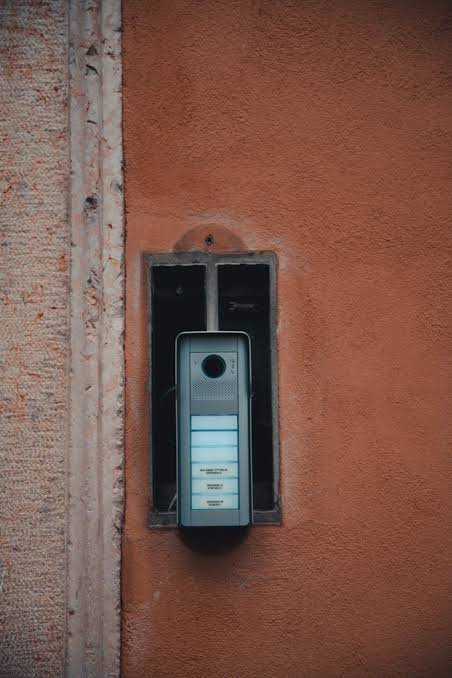
My neighbour installed one last monsoon after a delivery guy left a parcel outside for six hours in the rain. She was fuming. Within a week, she had a smart doorbell camera mounted above her gate and hasn’t stopped talking about it since. That got me curious — are these gadgets actually worth the money, or is it just another shiny tech purchase that ends up gathering dust on an app you forget to open? I spent a few weeks testing three different models and talking to friends who’ve owned one for over a year. Here’s what I actually found.
What Exactly Is a Smart Doorbell Camera?
At its core, a smart doorbell camera is just a regular doorbell with a camera, microphone, and Wi-Fi chip stuffed inside. It replaces (or sits alongside) your existing bell and sends a notification to your phone the moment someone rings it — or in most cases, the moment it detects motion near your door.
Some models record continuously. Others only start recording when triggered. That distinction matters more than most buying guides let on, and I’ll get into why in a bit.
The pitch is simple: you see who’s at the door before you open it. You can talk to them through your phone. You get a recording if a package goes missing. Sounds great on paper.
How Much Does a Smart Doorbell Camera Cost in India?
Quick answer: Entry-level smart doorbell cameras in India start around ₹2,500–₹4,000 for basic Wi-Fi models, while feature-rich options with cloud storage, HD night vision, and two-way audio run ₹6,000–₹15,000. Add ₹99–₹299/month if you want extended cloud recording.
Here’s roughly what you’ll pay across the market in 2026:
- Budget local brands (Qubo, CP Plus): ₹2,500 – ₹5,000
- Mid-range with better app and night vision: ₹5,500 – ₹9,000
- Premium global brands (Ring, Google Nest): ₹10,000 – ₹18,000
- Cloud storage subscription (optional but often necessary): ₹99 to ₹299 per month, or ₹999–₹2,999 yearly
That subscription part trips a lot of people up. The camera itself is a one-time cost, sure, but if you actually want to keep footage for more than a day or two, most brands push you toward a subscription. Skip it and you often only get live viewing plus a handful of recent clips before they’re overwritten.
Key Features Worth Paying For
Not every feature marketed on the box is worth the extra rupees. A few genuinely make a difference, though.
Motion detection zones. Basic models trigger on any movement — including a stray dog, a passing scooter, or leaves blowing across the frame. Better ones let you draw a specific zone (just your doorstep, say) so you’re not getting 40 notifications an hour.
Two-way audio. This one’s underrated. Being able to tell the delivery person to leave the parcel with your watchman, without opening the door or even being home, is genuinely useful.
Night vision quality. Cheap models give you a grainy black-and-white blob at night. Decent ones show actual detail — enough that you could identify a face or a vehicle number if needed.
Local storage option (microSD). I’d honestly rank this above cloud storage for most Indian households. It means your footage isn’t held hostage by a subscription, and there’s no monthly bill hanging over your head.
- Person detection vs generic motion alerts (worth it)
- Facial recognition (nice, but often unreliable in practice)
- Package detection (handy if you order online a lot)
- Pre-recording buffer of a few seconds before the trigger (small but useful touch)
Installation: DIY or Call an Electrician?
This depends entirely on whether you’re going wired or battery-powered. Wired installation means tapping into your existing doorbell circuit, and honestly, unless you’re comfortable with basic electrical work, it’s worth paying an electrician ₹300-500 to do it properly. I tried it myself once and nearly fried the transformer. Not fun.
Battery models are a different story — most just need double-sided tape or two screws, and you’re done in fifteen minutes. No wiring, no electrician, no drama.
One thing worth mentioning: check your building’s rules before you drill into a shared wall or gate. I’ve heard of at least two housing societies in Jaipur that require prior approval for any external camera installation, mostly because of privacy complaints from neighbours whose front doors face yours.
Battery vs Wired Doorbell Cameras
Wired doorbell cameras stay powered constantly, which means better video quality and no charging interruptions. Battery models are easier to install and move, but need recharging every 1-3 months depending on usage — a real hassle if your camera is mounted somewhere hard to reach.
I’ll be honest — I lean wired if it’s an option for you. Battery models are convenient at first, but there’s something annoying about climbing a ladder every couple of months to recharge a doorbell. My cousin in Jodhpur has a battery unit mounted above a gate with no easy access, and by the time she remembers to charge it, it’s usually already dead for a week.
That said, if you’re renting, battery is really the only sensible choice. You can take it with you when you move, and you’re not left explaining drilled holes to your landlord.
Do They Actually Improve Home Security?
Somewhat, yes — but not in the dramatic “catch every criminal” way the ads suggest. A smart doorbell camera is really more of a deterrent and a record-keeper than an active security system.
Picture a small business owner running a boutique shop in Jaipur’s Malviya Nagar. She installed one mainly to monitor deliveries during store hours. What she didn’t expect was catching footage of a bike theft attempt outside her shop at 2 AM — footage she handed straight to the local police, who used it to identify the culprit within days. That’s the kind of real-world value these devices offer. Not prevention exactly, but evidence and awareness.
Would a determined burglar be stopped by a doorbell camera? Probably not on its own. Pair it with decent locks and maybe a motion light, and now you’re talking about actual layered security.
The Downsides Nobody Talks About
Reviews online tend to gush about these devices without mentioning the annoying bits. Let’s fix that.
- False alerts are common, especially in the first week before you tune the motion sensitivity properly
- Wi-Fi dependency means a power cut or router issue leaves you blind — no internet, no notifications
- Cloud subscriptions add up over years, and cancelling sometimes means losing access to older footage entirely
- Some cheaper brands have genuinely weak customer support, and getting a replacement part can take weeks
- Privacy complaints from neighbours are a real thing, especially in dense residential areas where cameras end up capturing more than just your own doorstep
I’ve noticed that people rarely mention how much notification fatigue sets in. The first few days, you’re checking every single alert. By week three, most people mute half the notifications and only check the app when something actually happens — which, ironically, kind of defeats the purpose if you’re not careful with your settings.
Smart Doorbell Camera vs Traditional CCTV
Quick answer: A smart doorbell camera is cheaper, easier to install, and gives phone alerts — ideal for a single entry point. Traditional CCTV covers a wider area with multiple cameras but costs more, needs professional setup, and lacks built-in two-way audio for most budget systems.
If you’ve got a large compound, multiple gates, or a farmhouse-style property, a smart doorbell camera alone won’t cut it — you’ll want a proper CCTV setup with multiple angles. But for a standard flat, independent house, or small shop with one main entrance, a doorbell camera often does the job for a fraction of the cost and hassle. [link to a related CCTV vs doorbell camera comparison guide here]
Is It Worth the Investment? My Honest Take
For most urban Indian households, yes — I think it’s worth it, with some caveats. The ₹4,000-8,000 mid-range models hit a reasonable sweet spot of features versus cost. If you live alone, work long hours, or deal with frequent deliveries, the peace of mind alone justifies the price.
Where I’d push back on the hype: if you already have a watchman, a well-lit entrance, and rarely have package theft issues, you might be paying for a problem you don’t really have. Not every home needs one just because it’s trendy. [link to a beginner’s guide on home security basics here]
Suggested image alt text ideas:
- “Smart doorbell camera mounted on a home entrance gate in India”
- “Person viewing smart doorbell camera live feed on smartphone app”
- “Comparison of wired versus battery powered smart doorbell camera installation”
Frequently Asked Questions
Does a smart doorbell camera work without Wi-Fi? Not really. Most models need an active internet connection to send alerts and stream live video. Some do local recording to a microSD card even offline, but you won’t get real-time notifications until Wi-Fi is back.
Can smart doorbell cameras be hacked? It’s possible, though rare if you use strong passwords and enable two-factor authentication. Stick to known brands with regular firmware updates rather than unbranded ones from marketplace sellers — that’s usually where the security gaps show up.
How long does the battery last on a battery-powered doorbell camera? Anywhere from 1 to 4 months depending on how much traffic your door gets and how the motion sensitivity is set. Busy entrances with frequent triggers will drain it faster, sometimes within a few weeks.
Do I need a subscription to use a smart doorbell camera? Not strictly, no. You can view live footage without one on most models. But if you want recorded clips saved for more than 24-48 hours, a cloud subscription (or a microSD card slot) becomes necessary.
Is a smart doorbell camera legal to install in an apartment in India? Generally yes for your own doorstep, but many housing societies have rules about cameras that might capture a shared hallway or a neighbour’s door. It’s worth checking your society bylaws before installation to avoid disputes.
Which is better — Ring, Nest, or Indian brands like Qubo and CP Plus? Global brands like Ring and Nest generally offer smoother apps and better AI detection, but cost more and sometimes have slower Indian customer support. Local brands are budget-friendly and improving fast, though build quality can vary between models.
Conclusion
So, is a smart doorbell camera worth buying in 2026? For most people juggling deliveries, unpredictable visitors, and a general want for peace of mind, I’d say yes — just go in with realistic expectations. It won’t replace a full security setup, and it won’t stop every problem at your door. But it will give you eyes on your entrance when you’re not physically there, and that alone has real value.
If you’re on the fence, start with a mid-range battery model before committing to a wired premium setup. Test it for a month, see how you actually use it, then decide if it’s worth upgrading. Your doorstep — and your delivery guy — will thank you.